There is something called UTERN - or University of Toronto Environmental Network - a collection of students who get to dispense a $30,000 student levy to other students to facilitate environmental projects or events. Is this a good or bad thing for student environmentalism? I will argue here that UTERN's existence is detrimental to student environmentalism because it de-politicizes it and creates an atmosphere in which student environmentalism is identified with a kind of apolitical non-controversial acceptance of the status quo.
UTERN refuses to take a stand against the tar sands, the central symbol of environmental destruction in Canada. Collectively UTERN will not condemn the tar sands - which became evident to me a couple of years ago at a showing of a film on the tar sands which many UTERN members attended. Not one of their number spoke up against it.
The status quo is entirely unacceptable however: we are in the midst of a climate crisis and students need to be more vigilent against it and the forces responsible for it - including the very corporations that run this university. The corporatization of U of T is a fundamental part of this story. Large multinational corporations such as Exxon Mobil and Barrick Gold can be view as neutral vehicles that can be steered in many directions - thus the concept of corporate social responsibility and "green capitalism" - or we can recognize that some industries are inherently unsustainable and cannot be reformed.
Extraction industries (oil, mining, etc) cannot be reformed because what they do will always damage the environment to a degree that is unacceptable. There is no such thing as "sustainable mining." But apolitical student environmentalism says neither yay nor nay on this question - it is not spoken of at all - with the result that the status quo - unsustainable mining - continues unabated and U of T is the training ground for it.
Students Against Climate Change was founded three years ago, at University of Toronto, in response to the climate crisis. Our hope was to encourage the kind of response that students in other countries have shown. Even in the United States students have demonstrated a stronger response to the environmental crisis than in Canada. Thousands of students rally for needed change in every other country than Canada. Here such movements barely exist and after three years it is obvious why: it has been killed by apolitical student environmentalism which shies away from controversey or taking a stand on anything.
SACC put on hundreds of events on climate change and related issues: films, lectures, conferences, etc. SACC did more of these events than any other group at U of T, before or sincce. The vast majority of those who attended were not students, however. They were over age 30 and from outside the university - mostly concerned citizens, activists, some university staff and faculty. The students were conspicuously absent from all those events - especially the students in UTERN. We collected the emails of about 4,500 people at these events over three years and perhaps less than 5% were students.
Some UTERN members have said that they reject street activism as ineffective. But without it those that are female among them would not be attending university or have the vote. Street activism has always been the vanguard of social and political change, as the womens' rights movement and civil rights movements demonstrate. This is apparently unknown to them or unappreciated by them. So is the fact that street activism is done as much to bring together communities as to effect social change politically.
So what do they do instead? Do they attend and organize educational events instead - conference, lectures, etc - on the subject of climate change? A small handful have done a few things like this, but not to any great degree. There is a growing climate change movement in Toronto, but they are conspicuously absent from this movement as well, according to the more serious activists. So what does UTERN do? Of what does their so-called "activism" consist? Merely attending classes and meetings and fun social events? In what way does that constitute activism?
Perhaps UTERN is merely a stepping stone for those seeking careers in the growing environmental - a field increasingly apolitical and devoid of spirit, absorbed into the corporate worldview that is most responsible for the environmental crisis. Or perhaps it is an elite social club, funded through a student levy which pays for its social events (food, transporation for outings, plan trips to conferences overseas, etc). Why go to a climate change conference in Europe when you don't attend them here and when such trips exacerbate climate change through emissions? What does this mean for the student environmental movement at Univesity of Toronto? It means that it does not exist, or more precisely it exists in small pockets that are fragmented and ineffective.
The University of Toronto has been taken over by the very corporations most responsible for environmental damage, but instead of challenging that, most of the students have chosen to turn a blind eye to it, and to allow themselves to be absorbed into a kind of unconscious "group think" that allows for the unsustainable status quo to continue unchallenged - and they have done this without even being aware of it.
They perhaps imagine that they will be hired by governments or coprorations and change them from the inside; but they will be changed by them. They already have been, it seems. Environmentalism has been co-opted and reduced to platitudes and feel good slogans with the words "green" and "sustainable" in them. The spirit and life has been taken out of it, resulting in greenwash of corporations. There is no response to factory farming or oil spills or the dumping of mine waste in rivers or climate injustice by UTERN. They seem to avoid so-called "politics", even though environmentalism is inherently political and to act apolitically is itself a political act, in cooperation with prevailing powers, in favour of the status quo. Not everyone on UTERN is of this mind, but most are. One wonders what they really hope to acheive.
UTERN reps have said they don't represent the student envionmental movement - they just fund it - but the direction they've taken is decidely against certain tactics and views and in favour of others. They have decided to cooperate with the Administration and the corporations that run them, and make student environmentalism into a vehicle for funding for themselves (UTERN members are paid or receive work-study grants) and careerism (resume-padding).
UTERN represents the death of real student environmentalism at University of Toronto. And this at the time when the climat crisis was never worse. We see now why it is so bad, and why it gets worse every year: UTERN is a microcosmic reflection of the indifference of the larger society which produced it - a society of in which the tars sand continues to expand.
Tuesday, May 4, 2010


Saturday, May 1, 2010
Negative corporate influence on student environmental activism
Dear Ms. Song,
My main criticism of your article - which is otherwise well-written - is that you avoid the biggest change on university campuses in the last 30 years: how large corporations have take them over. A number of studies bear this out. It has changed how students react. Where before there might have been a challenge to Exxon Mobil or Barrick Gold on campus, now there is silent complicity.
Many of the younger students you spoke to are not "smarter and savvier" than their predecessors; rather, they are more afraid and less vocal and less willing to directly challenge the sources causes of environmental destruction. They are nice people, as individuals, but as a group there prevails an almost anti-activist position among them, so they can hardly be called "activists" without lessening the meaning of the word. This is generally consistent with the direction of the nation as a whole, towards a pro-tar sands pro-Harper milieau.
Your deliberate omission of the increasing power of large corporations on campuses - and especially U of T where it is more the case than any other campus in Canada and how this has contributed to the sea-change in how students respond to the issue - seems to me to be a glaring omission. You told me in the interview you would not touch the issue of corporations. Why I don't know, but I do hope that you will consider doing another story on this, and this time one that investigates this important (and heretofore) missing part of the story.
I sensed the kind of article it would be, from our interview, and that is why I asked you not to appear in it. There is something terribley wrong when students who profess to be environmentalists will not critisize large corporations that are in large part to blame for the environmental crisis - despite all the evidence that they are (e.g. Exxon Mobil's funding of climate change denial).
The fact that I appeared in the article anyway, despite my request, begs the question of jouralistic ethics. That is why I wrote this (below), to clarify the missing and crucial information, which would give readers insight into why many students choose an apolitical and deliberately non-controversial approach.
Sincerely, Paul York
From: Paul York
Date: Thu, 29 Apr 2010 13:47:44 -0400
Subject: letter to the editor
To: lettertoed@thestar.ca
Letter to the editor, Toronto Star
Missing from Vivian Song's analysis of student environmentalism ("Earth Day celebrates 40 years of education and advocacy" April 22) is the fact that since the 1970s, large corporations have taken over campuses.
This has muted student activism and led to a situation in which negotiating the hallways of power is preferred by many students to protest against environmental destruction.
The danger of this more apolitical conciliatory approach is that students who tell themselves they will change things from the inside, hoping to influence the corporations to go "green", are themselves influenced by those corporations to ignore the enormous damage they cause.
Some industries are simply irredeemable and need to be phased out and green jobs put in their place. But those same industries use students and universities to greenwash themselves, and those who object are marginalized and ridiculed as unreasonable "radicals."
Those who protest do not have a less "savvy" voice (which Ms. Song's article implies); rather, they have a less co-opted more principled voice. They are thus more needed at this historical juncture, when climate change, peak oil and finite resource depletion represent an unprecedented convergence of crises.
Extraction industries do not want students to challenge them; they want them to join their ranks. But the history of successful social activism (women's movement, civil rights, etc) shows us that street activism and taking a strong moral stand is needed to effect social and political change.
Painting the portrait of this more co-opted conciliatory type of "activism" as somehow "more sophisticated and savvier" ignores the danger that its practitioners are merely absorbed into the very structures that are leading to unprecedented environmental destruction.
Sincerely, Paul York
Students Against Climate Change
My main criticism of your article - which is otherwise well-written - is that you avoid the biggest change on university campuses in the last 30 years: how large corporations have take them over. A number of studies bear this out. It has changed how students react. Where before there might have been a challenge to Exxon Mobil or Barrick Gold on campus, now there is silent complicity.
Many of the younger students you spoke to are not "smarter and savvier" than their predecessors; rather, they are more afraid and less vocal and less willing to directly challenge the sources causes of environmental destruction. They are nice people, as individuals, but as a group there prevails an almost anti-activist position among them, so they can hardly be called "activists" without lessening the meaning of the word. This is generally consistent with the direction of the nation as a whole, towards a pro-tar sands pro-Harper milieau.
Your deliberate omission of the increasing power of large corporations on campuses - and especially U of T where it is more the case than any other campus in Canada and how this has contributed to the sea-change in how students respond to the issue - seems to me to be a glaring omission. You told me in the interview you would not touch the issue of corporations. Why I don't know, but I do hope that you will consider doing another story on this, and this time one that investigates this important (and heretofore) missing part of the story.
I sensed the kind of article it would be, from our interview, and that is why I asked you not to appear in it. There is something terribley wrong when students who profess to be environmentalists will not critisize large corporations that are in large part to blame for the environmental crisis - despite all the evidence that they are (e.g. Exxon Mobil's funding of climate change denial).
The fact that I appeared in the article anyway, despite my request, begs the question of jouralistic ethics. That is why I wrote this (below), to clarify the missing and crucial information, which would give readers insight into why many students choose an apolitical and deliberately non-controversial approach.
Sincerely, Paul York
From: Paul York
Date: Thu, 29 Apr 2010 13:47:44 -0400
Subject: letter to the editor
To: lettertoed@thestar.ca
Letter to the editor, Toronto Star
Missing from Vivian Song's analysis of student environmentalism ("Earth Day celebrates 40 years of education and advocacy" April 22) is the fact that since the 1970s, large corporations have taken over campuses.
This has muted student activism and led to a situation in which negotiating the hallways of power is preferred by many students to protest against environmental destruction.
The danger of this more apolitical conciliatory approach is that students who tell themselves they will change things from the inside, hoping to influence the corporations to go "green", are themselves influenced by those corporations to ignore the enormous damage they cause.
Some industries are simply irredeemable and need to be phased out and green jobs put in their place. But those same industries use students and universities to greenwash themselves, and those who object are marginalized and ridiculed as unreasonable "radicals."
Those who protest do not have a less "savvy" voice (which Ms. Song's article implies); rather, they have a less co-opted more principled voice. They are thus more needed at this historical juncture, when climate change, peak oil and finite resource depletion represent an unprecedented convergence of crises.
Extraction industries do not want students to challenge them; they want them to join their ranks. But the history of successful social activism (women's movement, civil rights, etc) shows us that street activism and taking a strong moral stand is needed to effect social and political change.
Painting the portrait of this more co-opted conciliatory type of "activism" as somehow "more sophisticated and savvier" ignores the danger that its practitioners are merely absorbed into the very structures that are leading to unprecedented environmental destruction.
Sincerely, Paul York
Students Against Climate Change
Sunday, April 19, 2009
Taking a break ...
Students Against Climate Change has been going solid for two years, organizing at University of Toronto on issues of social and environmental justice. The climate crisis is not taking a break (it is worse than ever) but we have to take a break or burn out. We will keep you posted. In the meantime, do not lose hope: a green economy is possible if everyone does his or her part to get off the green, buy local food (not meat), drive and fly less and continue to advocate for needed changes such as more renewable energy, less nuclear and fewer cars, and more public transportation and more energy conservation. We also need to end the extraction industries and recylce woods, metals, plastics and other resource based products. And continue to stand up for animal rights and biodiversity. We lose 200 species a day and not even one is acceptable.
Tuesday, March 10, 2009
Social & environmental justice events in Toronto that Students Against Climate Change is hosting and/or promoting in March
A few social and environmental justice events in March in Toronto
These are the remaining events in March as of this date, March 15th ...
Facebook links are given after every event description.
Organized and/or promoted by Students Against Climate Change and Toronto Mining Support Group
March 24 (Tues) – Free showing of film, The Strangest Dream, about Pugwash - about the international movement by scientists and intellectuals to stop the proliferation of nuclear weapons, featuring Pugwash founder Joseph Rotblat. Expert panel for after-film discussion. Hart House, UofT, 7:00 p.m.
See The Strangest Dream on Facebook.
March 25 (Wed) – Panel discussion on mass murder, mass rapes and the role of coltan mining in the Congo. Coltan is a mineral found in laptops and cellphones); 5.6 million people have been murdered in the Congo within the last ten years, but few people are aware of this in the west. Location: Earth Science B-149 (basement), U of T, 6:30 p.m. Contact Paul York for location info. nearer to date.
See Panel discussion on the Congo on Facebook.
March 27 (Fri) – Free showing of film Sharkwater with after-film talk by filmmaker, about the near extinction of the world’s major shark species (fins cut off 100 million per year) to make shark-fin soup. Location: OISE, Room 2214, 252 Bloor W. above St. George Subway, 7:30 p.m.
See showing of Sharkwater on Facebook.
A few important campaigns to be aware of: (this list is by no means exhaustive)
1) Against tar sands expansion – contact Rainforest Action Network: Ran.org.
See RAN tar sands campaign on Facebook.
2) Against nuclear energy, for renewable energy. Contact Angela Bischoff of Ontario Clean Air Alliance (OCAA: angela@cleanairalliance.org)
3) Against shark finning; contact Bob Timmons: rtimmons@tnpi.ca.
See Stop shark finning on Facebook.
4) Against animal experimentation at University of Toronto; contact Paul York.
See Stop testing on live animals at U of T on Facebook.
5) Protest Barrick. To stop the human rights violations and environmental destruction of the world’s largest gold mining corporation.
See Protest Barrick online and Join the Protest Barrick group on Facebook.
6) 2010 Solidarity: No Olympics on Stolen Land – against the appropriation (theft) of aboriginal culture by mining corporations, banks, and governments in Canada while those same powers are destroying the landbase and the communities that rely on it and are continuing to destroy traditional cultures.
See 210 Solidarity on Facebook.
Contact and for all events unless otherwise specified: paulyork.2008@gmail.com 647-342-7995.
“The ultimate tragedy is not the oppression and cruelty by the bad people but the silence of the good people.” – Martin Luther King Jr.
These are the remaining events in March as of this date, March 15th ...
Facebook links are given after every event description.
Organized and/or promoted by Students Against Climate Change and Toronto Mining Support Group
March 24 (Tues) – Free showing of film, The Strangest Dream, about Pugwash - about the international movement by scientists and intellectuals to stop the proliferation of nuclear weapons, featuring Pugwash founder Joseph Rotblat. Expert panel for after-film discussion. Hart House, UofT, 7:00 p.m.
See The Strangest Dream on Facebook.
March 25 (Wed) – Panel discussion on mass murder, mass rapes and the role of coltan mining in the Congo. Coltan is a mineral found in laptops and cellphones); 5.6 million people have been murdered in the Congo within the last ten years, but few people are aware of this in the west. Location: Earth Science B-149 (basement), U of T, 6:30 p.m. Contact Paul York for location info. nearer to date.
See Panel discussion on the Congo on Facebook.
March 27 (Fri) – Free showing of film Sharkwater with after-film talk by filmmaker, about the near extinction of the world’s major shark species (fins cut off 100 million per year) to make shark-fin soup. Location: OISE, Room 2214, 252 Bloor W. above St. George Subway, 7:30 p.m.
See showing of Sharkwater on Facebook.
A few important campaigns to be aware of: (this list is by no means exhaustive)
1) Against tar sands expansion – contact Rainforest Action Network: Ran.org.
See RAN tar sands campaign on Facebook.
2) Against nuclear energy, for renewable energy. Contact Angela Bischoff of Ontario Clean Air Alliance (OCAA: angela@cleanairalliance.org)
3) Against shark finning; contact Bob Timmons: rtimmons@tnpi.ca.
See Stop shark finning on Facebook.
4) Against animal experimentation at University of Toronto; contact Paul York.
See Stop testing on live animals at U of T on Facebook.
5) Protest Barrick. To stop the human rights violations and environmental destruction of the world’s largest gold mining corporation.
See Protest Barrick online and Join the Protest Barrick group on Facebook.
6) 2010 Solidarity: No Olympics on Stolen Land – against the appropriation (theft) of aboriginal culture by mining corporations, banks, and governments in Canada while those same powers are destroying the landbase and the communities that rely on it and are continuing to destroy traditional cultures.
See 210 Solidarity on Facebook.
Contact and for all events unless otherwise specified: paulyork.2008@gmail.com 647-342-7995.
“The ultimate tragedy is not the oppression and cruelty by the bad people but the silence of the good people.” – Martin Luther King Jr.
Friday, February 6, 2009
Our major events in February 2009
Environmental / social justice film showings and public education events at the University of Toronto in February 2009, organized by Graduate Students Union Social Justice Committee, Students Against Climate Change and Toronto Mining Support Group. Contact Paul York paulyork.2008@gmail.com for more information.
1) Feb 11 – free documentary screening of The 11th Hour, one of the best films on climate change ever made
2) Feb 18 – free documentary screening of The Greatest Silence, a film on war in the Congo, mining, and rape
3) Feb 19 – public lecture on global warming and food by Wayne Roberts
4) Feb 28 – presentation on mining at Amnesty International conference on water and human rights
________________________________________________________
1) Wed. Feb 11 – free documentary screening of The 11th Hour, one of the best films on climate change ever made
This is best introduction to the issue, and also very inspiring, providing a much-needed message of hope in the face of catastrophic events. Starring Leonardo DiCaprio.
Wed. Feb. 11th, 2009
7:00 p.m.
Medical Sciences building, room 2172, U of T, 1 Kings College Circle (near Queens Park subway)
There will be a brief slideshow afterwards on local and national climate change issues, and how you can get involved in the various groups working on these issues -- including Toronto Climate Campaign, Greenpeace Canada, Students Against Climate Change, etc.
http://wip.warnerbros.com/11thhour/
Facebook: http://www.facebook.com/event.php?eid=47310389914&ref=ts#/event.php?eid=45994539222&ref=ts
________________________________________________________
2) Wed. Feb 18 – free documentary screening of The Greatest Silence, a film on war in the Congo, mining, and rape and mutilation as a weapon of war
Wed. Feb. 18
7:00 p.m.
Hart House, Music Room, 7 Hart House Circle, University of Toronto
Trailer from the film
http://ca.youtube.com/watch?v=0oGGpulYsZY
Showing of The Greatest Silence: Rape in the Congo. Hosted by the Graduate Student Union Social Justice Commitee, University of Toronto. The film and speaker will be introduced by Sara Suliman, chair of the committee.
For over ten years now, a war has been raging in the Democratic Republic of the Congo (DRC). To date, over 5.4 million people have been killed, and many more have been tortured, beat, and raped – most of them women. Through kidnapping, mutilation, rape and torture, the soldiers of both foreign militias and the Congolese army are holding women hostage in their own country.
In 2006, Emmy Award winning producer/director Lisa F. Jackson spent the year in the war zones of eastern DRC. She documented the tragic situation women and girls are forced to deal with as they stand in the middle of a country's conflict they did not create, and cannot control.
Jackson was given privileged access to not only the horrific realities of life in the DRC, but was also shown the resilience, strength, courage and grace of the people of the DRC.
After the film there will be a talk by Bodia Marcharia, followed by discussion. Bodia Macharia is an active member of the GSU Social Justice Commitee. She was born in the Democratic Republic of Congo where she spent most of her early life.
* * *
The international silence regarding the human rights tragedy of the Democratic Republic of Congo, eastern part, is shameful, echoing the silence and indifference of industrial countries towards Rawanda and before that the Holocaust. The mass displacement and murder of six million people and systematic rape and mutilation of women should not have been ignored by the international community. Unfortunately, the World Bank and extraction industries are in part responsible for this atrocity, which might account for the silence of Canada, which harbours and subsidizes extraction companies that operate there. For information the role of Canadian mining companies in the Congo see:
http://www.miningwatch.ca/index.php??/Congo_DR
For more information on the GSU Social Justice Committee:
http://www.gsu.utoronto.ca/activism/socialjustice.html
Take action. Please sign this petition - Stop Rape as a Weapon of War:
http://apps.facebook.com/causes/petitions/33?attempt=2&m=4854d74a&type=user
Facebook: http://www.facebook.com/event.php?eid=47310389914&ref=ts
________________________________________________________
3) Thurs. Feb 19 – public lecture on global warming and food by Wayne Roberts
Global warming and food - a presentation by Wayne Roberts
“Some like it spicey (rather than hot): how wise and healthy food choices are cool for the climate”
Thurs. Feb. 19, 7:00 p.m.
Hart House, East Common Room, 7 Hart House Circle, University of Toronto
Wayne Roberts manages the Toronto Food Policy Council (TFPC), a citizen body of 30 food activists and experts that is widely recognized for its innovative approach to food security.
He's been a major player in several Toronto plans that have been crucial for public health and the environment, most notably the City's Environmental Plan and its Food and Hunger Action Plan and food charter.
Many of his most imaginative ideas, often based on extensive meetings and direct encounters with international leaders of the food movement, can be found in his newly-released book, The No-Nonsense Guide to World Food.
Dr. Roberts has been invited to speak around the world on strategies that combine food security, community empowerment, environmental improvement, social equity and job creation.
* * *
Wayne's talk will present key information on the well-kept secret that the food system is responsible for a third of all global warming emissions and the even better-kept secret that moving to less gassy foods will benefit the economy, public health and enjoyment of food as well as the environment.
Wayne's powerpoint will feature photgraphs he's taken during research expeditions in Asia and South America.
Facebook: http://www.facebook.com/event.php?eid=51834316332&ref=ts
________________________________________________________
4) Sat. Feb 28 – presentation on mining at Amnesty International conference on water and human rights – Toronto Mining Support Group presentation in the afternoon
Water: A Human Right? Let's Make It Our Business!
Saturday, February 28, 2009
O.I.S.E. Auditorium
Cost: Free
Lunch is included
RSVP: business@aito.ca
An opportunity to learn about Water as a Human Right
what are the issues?
what can we do?
what is the role of business?
Amnesty International, Toronto Business & Human Rights group hosts an exploration of the role of business in respecting water as a Human Right
Co-presented by
Department of Sociology and Equity Studies in Education
O.I.S.E. University of Toronto, Professor Margrit Eichler
Rotary District 7070 Clean Water Committee & the Water and Sanitation Rotarian Action Group, Students Against Climate Change, University of Toronto
Opening Remarks by Professor Margrit Eichler, Department of Sociology and Equity Studies in Education, O.I.S.E., University of Toronto
Maude Barlow, UN Senior Advisor on Water, will be the keynote speaker. She brings her broad perspective and vast knowledge about this common substance that most of us take for granted. Ms. Barlow will be available to sign copies of her latest book, Blue Covenant.
Dr. Ron Denham, Chair, Water & Sanitation Rotarian Action Group will describe the impact of clean water and sanitation on community development and the challenges we face in meeting the UN Millennium Development Goal # 7: By 2015 reduce by 50% the proportion of people without access to safe water and sanitation.
Afternoon break-out sessions will provide a chance to explore an area of particular interest: Robert Lovelace, Paula Sherman, Co-chief Ardoch Algonquin - Indigenous Peoples' Water Concerns
Ben Powless, Sect'y of the Int'l Indigenous Peoples' Forum on Climate Change – Climate Change
Rotary Club Panel - Best Practices in Water and Sanitation projects
Paul York, Christian Penna, Allan Lissner, Sakura Saunder of Toronto Mining Support Group - Mining and Water
Lauren Acorn, UNA-Canada & Youth4Water - session especially for youth & youth workers
We will also network with local Toronto action groups involved with water issues. Confirmed organizations are: Council of Canadians, Rotary Club, Students for Bhopal, Youth4Water Ripple Effect, Students Against Climate Change/Toronto Mining Support Group, Lake Ontario Waterkeepers, Sanitation and Water Action Network, and Amnesty International BHR.
1) Feb 11 – free documentary screening of The 11th Hour, one of the best films on climate change ever made
2) Feb 18 – free documentary screening of The Greatest Silence, a film on war in the Congo, mining, and rape
3) Feb 19 – public lecture on global warming and food by Wayne Roberts
4) Feb 28 – presentation on mining at Amnesty International conference on water and human rights
________________________________________________________
1) Wed. Feb 11 – free documentary screening of The 11th Hour, one of the best films on climate change ever made
This is best introduction to the issue, and also very inspiring, providing a much-needed message of hope in the face of catastrophic events. Starring Leonardo DiCaprio.
Wed. Feb. 11th, 2009
7:00 p.m.
Medical Sciences building, room 2172, U of T, 1 Kings College Circle (near Queens Park subway)
There will be a brief slideshow afterwards on local and national climate change issues, and how you can get involved in the various groups working on these issues -- including Toronto Climate Campaign, Greenpeace Canada, Students Against Climate Change, etc.
http://wip.warnerbros.com/11thhour/
Facebook: http://www.facebook.com/event.php?eid=47310389914&ref=ts#/event.php?eid=45994539222&ref=ts
________________________________________________________
2) Wed. Feb 18 – free documentary screening of The Greatest Silence, a film on war in the Congo, mining, and rape and mutilation as a weapon of war
Wed. Feb. 18
7:00 p.m.
Hart House, Music Room, 7 Hart House Circle, University of Toronto
Trailer from the film
http://ca.youtube.com/watch?v=0oGGpulYsZY
Showing of The Greatest Silence: Rape in the Congo. Hosted by the Graduate Student Union Social Justice Commitee, University of Toronto. The film and speaker will be introduced by Sara Suliman, chair of the committee.
For over ten years now, a war has been raging in the Democratic Republic of the Congo (DRC). To date, over 5.4 million people have been killed, and many more have been tortured, beat, and raped – most of them women. Through kidnapping, mutilation, rape and torture, the soldiers of both foreign militias and the Congolese army are holding women hostage in their own country.
In 2006, Emmy Award winning producer/director Lisa F. Jackson spent the year in the war zones of eastern DRC. She documented the tragic situation women and girls are forced to deal with as they stand in the middle of a country's conflict they did not create, and cannot control.
Jackson was given privileged access to not only the horrific realities of life in the DRC, but was also shown the resilience, strength, courage and grace of the people of the DRC.
After the film there will be a talk by Bodia Marcharia, followed by discussion. Bodia Macharia is an active member of the GSU Social Justice Commitee. She was born in the Democratic Republic of Congo where she spent most of her early life.
* * *
The international silence regarding the human rights tragedy of the Democratic Republic of Congo, eastern part, is shameful, echoing the silence and indifference of industrial countries towards Rawanda and before that the Holocaust. The mass displacement and murder of six million people and systematic rape and mutilation of women should not have been ignored by the international community. Unfortunately, the World Bank and extraction industries are in part responsible for this atrocity, which might account for the silence of Canada, which harbours and subsidizes extraction companies that operate there. For information the role of Canadian mining companies in the Congo see:
http://www.miningwatch.ca/index.php??/Congo_DR
For more information on the GSU Social Justice Committee:
http://www.gsu.utoronto.ca/activism/socialjustice.html
Take action. Please sign this petition - Stop Rape as a Weapon of War:
http://apps.facebook.com/causes/petitions/33?attempt=2&m=4854d74a&type=user
Facebook: http://www.facebook.com/event.php?eid=47310389914&ref=ts
________________________________________________________
3) Thurs. Feb 19 – public lecture on global warming and food by Wayne Roberts
Global warming and food - a presentation by Wayne Roberts
“Some like it spicey (rather than hot): how wise and healthy food choices are cool for the climate”
Thurs. Feb. 19, 7:00 p.m.
Hart House, East Common Room, 7 Hart House Circle, University of Toronto
Wayne Roberts manages the Toronto Food Policy Council (TFPC), a citizen body of 30 food activists and experts that is widely recognized for its innovative approach to food security.
He's been a major player in several Toronto plans that have been crucial for public health and the environment, most notably the City's Environmental Plan and its Food and Hunger Action Plan and food charter.
Many of his most imaginative ideas, often based on extensive meetings and direct encounters with international leaders of the food movement, can be found in his newly-released book, The No-Nonsense Guide to World Food.
Dr. Roberts has been invited to speak around the world on strategies that combine food security, community empowerment, environmental improvement, social equity and job creation.
* * *
Wayne's talk will present key information on the well-kept secret that the food system is responsible for a third of all global warming emissions and the even better-kept secret that moving to less gassy foods will benefit the economy, public health and enjoyment of food as well as the environment.
Wayne's powerpoint will feature photgraphs he's taken during research expeditions in Asia and South America.
Facebook: http://www.facebook.com/event.php?eid=51834316332&ref=ts
________________________________________________________
4) Sat. Feb 28 – presentation on mining at Amnesty International conference on water and human rights – Toronto Mining Support Group presentation in the afternoon
Water: A Human Right? Let's Make It Our Business!
Saturday, February 28, 2009
O.I.S.E. Auditorium
Cost: Free
Lunch is included
RSVP: business@aito.ca
An opportunity to learn about Water as a Human Right
what are the issues?
what can we do?
what is the role of business?
Amnesty International, Toronto Business & Human Rights group hosts an exploration of the role of business in respecting water as a Human Right
Co-presented by
Department of Sociology and Equity Studies in Education
O.I.S.E. University of Toronto, Professor Margrit Eichler
Rotary District 7070 Clean Water Committee & the Water and Sanitation Rotarian Action Group, Students Against Climate Change, University of Toronto
Opening Remarks by Professor Margrit Eichler, Department of Sociology and Equity Studies in Education, O.I.S.E., University of Toronto
Maude Barlow, UN Senior Advisor on Water, will be the keynote speaker. She brings her broad perspective and vast knowledge about this common substance that most of us take for granted. Ms. Barlow will be available to sign copies of her latest book, Blue Covenant.
Dr. Ron Denham, Chair, Water & Sanitation Rotarian Action Group will describe the impact of clean water and sanitation on community development and the challenges we face in meeting the UN Millennium Development Goal # 7: By 2015 reduce by 50% the proportion of people without access to safe water and sanitation.
Afternoon break-out sessions will provide a chance to explore an area of particular interest: Robert Lovelace, Paula Sherman, Co-chief Ardoch Algonquin - Indigenous Peoples' Water Concerns
Ben Powless, Sect'y of the Int'l Indigenous Peoples' Forum on Climate Change – Climate Change
Rotary Club Panel - Best Practices in Water and Sanitation projects
Paul York, Christian Penna, Allan Lissner, Sakura Saunder of Toronto Mining Support Group - Mining and Water
Lauren Acorn, UNA-Canada & Youth4Water - session especially for youth & youth workers
We will also network with local Toronto action groups involved with water issues. Confirmed organizations are: Council of Canadians, Rotary Club, Students for Bhopal, Youth4Water Ripple Effect, Students Against Climate Change/Toronto Mining Support Group, Lake Ontario Waterkeepers, Sanitation and Water Action Network, and Amnesty International BHR.
Wednesday, December 24, 2008
Join us on Facebook!
A number of groups started by Students Against Climate Change, Toronto Mining Support Group and/or Paul York ...
http://www.facebook.com/groups.php?id=721757650&gv=12
- Includes: Indict Bush, Harper & fossil fuel CEOs for crimes against humanity & nature
- TD's Go Green Challenge is greenwash
- Toronto Mining Support Group
- Students Against Climate Change
- Resistance to gold mining in Latin America
- Good books, films and websites on the environmental and economic crisis
____________________________________________
Events in January ...
Free showing of Out of Balance - Exxon Mobil's Impact on Climate Change, Jan. 9th
http://www.facebook.com/groups.php?id=721757650&gv=12#/event.php?eid=35379749499
Free showing of Sharkwater, Jan. 15th
http://www.facebook.com/groups.php?id=721757650&gv=12#/event.php?eid=46438620751
Free showing of Rio Blanco and talk on community resistance to extraction industries
http://www.facebook.com/groups.php?id=721757650&gv=12#/event.php?eid=47203519448&ref=ts
Benefit concert for horse refuge in Ontario
http://www.facebook.com/groups.php?id=721757650&gv=12#/event.php?eid=48972533135&ref=ts
http://www.facebook.com/groups.php?id=721757650&gv=12
- Includes: Indict Bush, Harper & fossil fuel CEOs for crimes against humanity & nature
- TD's Go Green Challenge is greenwash
- Toronto Mining Support Group
- Students Against Climate Change
- Resistance to gold mining in Latin America
- Good books, films and websites on the environmental and economic crisis
____________________________________________
Events in January ...
Free showing of Out of Balance - Exxon Mobil's Impact on Climate Change, Jan. 9th
http://www.facebook.com/groups.php?id=721757650&gv=12#/event.php?eid=35379749499
Free showing of Sharkwater, Jan. 15th
http://www.facebook.com/groups.php?id=721757650&gv=12#/event.php?eid=46438620751
Free showing of Rio Blanco and talk on community resistance to extraction industries
http://www.facebook.com/groups.php?id=721757650&gv=12#/event.php?eid=47203519448&ref=ts
Benefit concert for horse refuge in Ontario
http://www.facebook.com/groups.php?id=721757650&gv=12#/event.php?eid=48972533135&ref=ts
Update
So much has happened since the last entry it's hard to know where to begin. We started Toronot Mining Support Group, did protests in solidarity with several different indigenous communities fighting open-pit mining, hosted a lecture against nuclear energy with Dr. Edwards, showed numerous films, hosted Bob Lovelace (incredible!), co-organized the student conference on climate change, and much much more. It's impossible to recount it all right now. And there is so much coming up! January is going to be very busy, with numerous films, lectures and climate change and community resistance and solidarity events. We'll keep you posted! - Paul
Saturday, April 5, 2008


Wednesday, April 2, 2008
Prayer for justice
O Great Spirit. O Great Creator, Source of all that is. You breathe and infuse us with life. We are mindful that we are standing on Ground, Sacred Earth here today. Root us, and ground us in Earth, that we may be mindful and respectful of Earth, all the plants and animals, and all our brothers and sisters, especially those in the First Nations. Move us and our governments to deal honourably, and bring respect and humility to conversations with First Nations that there may be Right Relations among us. Use all the efforts and commitments expressed here today to contribute to the outcomes for which we long and pray. Amen.
- delivered by Rev. Ralph Carl Wushke, Eccumenical Chaplain, U of T at rally in support of AAFN, Shabot First Nation, CCAMU and KI First Nation, against mining, on Mining Lobby Day at Queen's Park, March 19, 2008.
- delivered by Rev. Ralph Carl Wushke, Eccumenical Chaplain, U of T at rally in support of AAFN, Shabot First Nation, CCAMU and KI First Nation, against mining, on Mining Lobby Day at Queen's Park, March 19, 2008.
Sunday, March 30, 2008
Hart House activites
We seem to have done a lot at Hart House. We hosted the event with Dr. Harvey on global warming there, did the eco-fair there (photo below), scared away Bjorn Lomborg from speaking there, and now are going to host an inquiry into uranium mining on April 26th, 9 a.m. to 5 p.m. Join us!

Eco-fair at Hart House, sponsored by Toronto Climate Campaign and SACC

Eco-fair at Hart House, sponsored by Toronto Climate Campaign and SACC
Monday, March 17, 2008
Urgent Call to Action!

Monday March 17, 9 am - 4pm:
Flood Michael Bryant's office!
PHONE - EMAIL - WRITE - FAX
Minister of Aboriginal Affairs, Ontario
Starting on Tuesday 18 March, the second phase of contempt charges against First Nations leaders and several non-natives involved in the Robertsville protest will be heard in the Kingston Court House. Meanwhile, a Queen's University Journal article quotes Frontenac Ventures President and CEO as saying as of this date there is no drilling, but it could happen any.
Ardoch Algonquin First Nation and their allies ask all those concerned about First Nations rights and uranium mining to FLOOD Michael Bryant's office this MONDAY, 17 March to demand that the Government of Ontario immediately:
* admit that it was in the wrong to issue permits to Frontenac Ventures for uranium exploration on unceded Algonquin territory without first consulting with First Nations.
* follow Manitoba's example: withdraw the exploration permits that were issued without proper consultation. (The Manitoba government recently suspended drilling on the Minago Nickel Project on Norway House Cree Nation land.)
* disallow uranium exploration and mining in the Ottawa Valley, in keeping with the Algonquin people's proclamation of September 28th,
2007.
* free political prisoner Bob Lovelace and revoke his and Paula Sherman's sentences.
* stop the drilling at the Robertsville site until there is thorough consultation with First Nations.
Please be polite, and remember to request a response to your correspondence otherwise they may not reply.
Contact Info:
Hon. Michael Bryant
803 St. Clair Ave W
Toronto ON M6C 1B9
Tel: 416-656-0943
Fax: 416-656-0875
Email: mbryant.mpp.co@liberal.ola.org
Please CC your emails to: AAFNASupport@sympatico.ca
------------------------------------
For reference:
The Algonquin Proclamation to the Government of Canada that was also delivered to Premier McGuinty's constituency office September 28th, 2007 read:
WHEREAS the Algonquin people were created by the Master of Life in the Valley of the Ottawa River Watershed and can look to no other place on earth to sustain their culture, language and identity and as a People regard the Ottawa Valley to be their homeland;
AND WHEREAS the Algonquin people have a sacred responsibility for the care and preservation of the land, water and all creatures great and small that
abide as their closest relations in the Ottawa Valley;
AND WHEREAS the Algonquin people have peaceably shared the Ottawa Valley with many people who have come to settle among them, offering the newcomers land and resources for their commerce and health, friendship and wisdom for the care of their land, and have compromised their own well being for the sake of peaceful relations;
AND WHEREAS the Crown in right of Ontario, Quebec and Canada has obligations, through the word of King George III in the Royal Proclamation
of 1763, to protect their allies the Algonquins in their homeland, and to protect their homeland from unwanted settlement and development;
AND WHEREAS Uranium exploration and mining currently poses great threat to the health of the land, water, people and fellow creatures of the
Algonquin homeland and the peaceful use and occupation by Algonquins and their neighbours;
The Algonquin people declare that all exploration and mining for Uranium in the Ottawa Valley shall end immediately, September 28th, 2007.

Background documents:
http://www.thewhig.com/ArticleDisplay.aspx?e=928059 (Good article: the real reason Bob Lovelace was arrested)
http://www.ccamu.ca/ (Community Coalition Against Mining Uranium)
http://www.aafna.ca/ (Ardoch Algonquin First Nation)
http://www.shabotisstillhere.com/ (Shabot First Nation)
http://www.newsweb.ca/2007/uranium.html (Indy media report)
http://www.dominionpaper.ca/articles/1414 (Indy media report)
http://ottawa.indymedia.org/en/2008/03/7040.shtml (Indy media report)
http://wiinimkiikaa.wordpress.com/?s=sharbot+lake (Indigenous solidarity report)http://www.greenpeace.org/canada/en/press/press-releases/greenpeace-and-first-nations-t (Greenpeace report)

Graphic representation of all the water in the world in ball, and all the air in the world in a ball. Needless to say, all life on Earth is dependant on these two substances. The implication is that if we pollute them, life on Earth will perish. From the 11th Hour website.
Sunday, March 16, 2008
Uranium and gold mining protest events coming up

Caption: typical Barrick gold mine - this area will be dead for thousands of years and pollute water systems downstream, harming plants, animals and human beings - all so that a few rich men can grow richer. Short of the distinct possibility that they will go to Hell, the only justice is to protest this abomination and resist this evil through solidarity with indigenous peoples the world over.
1. Peaceful protest against uranium mining at Queen's Park, March 19, 12 noon.
2. Film "Uranium" and talk with Marylin Crawford of CCAMU, March 19, 7 p.m.
3. Initial planning meeting for Citizen's Inquiry into Uranium Mining (set for April 26), Friday March 21, lounge, 5th floor of OISE
4. Planning meeting to organize protest against Barrick Gold and Goldcorp AGMS in May, and to discuss strategies and tactics for law reform around mining in Canada - date TBA (please get back to me if you're interested!)
_________________________________
This Wednesday (March 19th, 2008) you are invited to attend two events related to uranium mining, nuclear energy, extraction industries, and social and environmental justice for Sharbot Lake - a protest and a movie/talk at University of Toronto.
Students Against Climate Change is hosting these events because nuclear energy is NOT the way to go towards a sustainable future
Uranium mining is a wasteful destructive process that destroys the land and those who live on it, and nuclear power releases tritium - a radioactive substance - into our water supply and creates waste that cannot be properly disposed of for tens of thousands of years and is used in both nuclear and conventional weapons.
Native land claim struggles against mining, in Ontario and around the world, are consistent with the fight for climate justice and a sustainable future for all people.
1. Peaceful protest of Queen's Park's "Mining Lobby Day." Yes, QP has a day devoted to attracting the mining coroporations to plunder the natural resources of Ontario, at the expense of the natural environment, overriding native land claims, and creation of toxic mine tailings.
12 noon at QP. Meet at 11:30 in front of the Munk Centre, north side of Harbord, between St. George and University (the Munk Centre is funded by Peter Munk of Barrick Gold - see http://protestbarrick.net/).

Caption: solar power, the obvious alternative to nuclear. The fact that the entire world is not powered by solar and wind reveals that there must be something terribly wrong with human beings (or at least the sort who are actively destroying the world). Are we, as Freud said, in the grip of a Thanatos, a death-urge? Or as E. O. Wilson asks "is humanity suicidal?"
_____________________
2. Movie and lecture same day (Wed. March 19th), 7 p.m. at McLennan Physical Labs (MP room 118), 60 St. George St. U of T. Movie is either "Uranium" (NFB) (http://www.nfb.ca/collection/films/fiche/?id=18301)and informal talk with Marylin Crawford of the Community Coalition Against Mining Uranium (see http://www.ccamu.ca/). Co-hosted by Melodie Carew of "Uranium Is Not Worth It."
If you are interested in Sharbot Lake or social or environmental justice in Ontario, this is a good event to attend. Contact Paul York for info:
Background:
If you use electricity, drink water and live in Ontario, you are already involved in uranium mining indirectly: the Ontario government is supporting mining, supposedly for our energy needs, even though Ontario has enough potential wind power to supply 100% of our needs.
Nuclear energy leaves toxic waste which lasts 25,000 years and pollutes our drinking water with a radioactive substance, tritium. Ontario uranium also ends up in weapons systems, both conventional and nuclear. Uranium and other types of mining also destroy boreal forests and local ecosystems and they are opposed by several First Nations groups.
Issues on the table for both protest and film / talk include:
* Reforming the draconian Mining Act (http://www.miningwatch.ca/index.php?/Ontario/Ontario_Law__Regs);
* Solidarity with First Nations near Sharbot Lake (Shabot and Alquonquins) and support for Chief Bob Lovelace (see http://www.thewhig.com/ArticleDisplay.aspx?e=928059);
* Why nuclear energy and uranium is not needed in Ontario (see http://renewableisdoable.com/);
* Necessary reforms to Canada's laws on mining in solidarity with peoples in developing nations who are victims of Barrick Gold and other Canadian mining corporations (see http://www.miningwatch.ca/index.php?/Frontenac/AAFN_rls_080219)
* The fact that we should not even have a "mining lobby" day in Ontario!
Join Students Against Climate Change (http://studentsagainstclimatechange.blogspot.com/) and other supportive groups (Forest Ethics, Coalition Against Israeli Apartheid, Student Christian Movement) for a press conference on the steps of QP; with a representative from CCAMU (one of the groups opposing the Sharbot Lake urnanium mine plans).
To get involved or for more information contact Paul York at pyork_2002@hotmail.com for info.
________________________
3. Initial planning meeting for Citizen's Inquiry into Uranium Mining (set for April 26), Friday March 21, lounge, 5th floor of OISE
Our group is working with CCAMU to help coordinate the Toronto Inquiry. Other inquires are set for other Ontario cities. See http://www.uraniumcitizensinquiry.com/
Among the topics to be addressed:
* Ontario's complicity with uranium mining
* Native land claims and mining in Ontario
* Nuclear energy versus renewable energy and conservation
_______________________
4. Planning meeting to organize protest against Barrick Gold and Goldcorp AGMS in May, and to discuss strategies and tactics for law reform around mining in Canada - date TBA.
* Barrick Gold AGM - May 6th
* Goldcorp AGM - May 20th
The tactic is simple: stage a peaceful protest outside while people go inside to raise objections, and invite the media. See this report on the last Barrick AGM (http://protestbarrick.net/article.php?id=82) and this report on our disruption of their meeting with investors over the issue of "corporate social responsibility" (http://protestbarrick.net/article.php?id=198).
There is a lot on this site and on the Mining Watch site (http://www.miningwatch.ca/) and Rights Actions site (http://www.rightsaction.org/) and The Dominion (http://www.dominionpaper.ca/search/node/mining).
The basic thing to know, beyond the fact that industrial mining is evil and violates human rights, is that the Canadian government is complicit with this and has not adequately implemented law reform to require that Canadian companies not violate human rights and desecrate the environment.
A national 'Roundtable' on this issue was the Halifax Initative. The reforms suggested there were never put in place: http://www.halifaxinitiative.org/index.php/CNCA_Roundtables
As a consequence, Barrick's lawyers held the meeting on Corporate Social Responsibility (CSR) to ward off allegations that "Canada's reputation abroad" (the name of the meeting) is being destroyed by mining.
Of course Harper has already ensured that Canada's reputation is tarnished by its withdrawal from Kyoto and unqualified support for mining operations abroad.
What we need now are mandatory regulations -- principally to ensure the right of international parties to hold Canadian corporations accountable for crimes against humanity and environmental destruction.
If lobbying for law reform (which is doable) and supporting or participating in a fun protest against Barrick and Goldcorp interests you, please contact Paul York at
Monday, March 3, 2008
Free Bob Lovelace!

Reprinted from Kingston Whig Standard
Why Bob Lovelace is in jail; A message is being sent to mining companies: Ontario is open for business
I know Bob Lovelace as a soft-spoken and self-reliant neighbour, devoted father and dedicated Queen's University teacher admired by his students and colleagues. He's the kind of guy who constructs a log house in the woods north of Kingston with his own skill and sweat; builds a box planter at the local swimming spot and keeps it stocked with marigolds and petunias; and provides venison for a potluck supper. He's as innately confrontational as a panda bear.
Yet much of the public knows Bob Lovelace as a nominally militant aboriginal prisoner now serving a six-month jail sentence and facing cumulative personal fines of nearly $400,000 for contempt of court. His transgression? Refusing to obey a judicial order not to continue his peaceful blockade at a proposed uranium mine site on lands Algonquin First Nations have never ceded title to under any prior treaty or land claim settlement.
Yet, as even the mine promoter's lawyer has admitted in court hearings, there is a vanishingly small chance a uranium mine will ever get built at the headwaters of the Mississippi River northwest of Sharbot Lake. Compared to other deposits in Saskatchewan, Australia, South Africa and Asia, the ore is laughably low-grade, and the cost to mine fatally high.
So how did it come to this?
In effect, Bob is in jail because he has quietly, but implacably, declined to concede that a provincial court has the ultimate authority to decide what happens on lands his Algonquin forebears have used without ecological abuse for thousands of years.
A key point is that these are not private lands in dispute. The collision has occurred because. for more than a century. Ontario governments have blithely assumed that all provincial lands are solely entrusted to it, and are thus subject to mining laws that allow any prospector or com-pany, from anywhere, to stake out land and claim any mineral wealth below. Without asking anyone else's permission.
In this case, the provincial Ministry of Natural Resources handed out the permits to a fledgling outfit called Frontenac Ventures, and the com-pany maintains that it can drill for uranium with the law on its side. Without First Nation approval.
On this, the company, a provincial court and the cabinet of Dalton McGuinty tacitly agree. That's why my neighbour is in prison as a kind of conscientious objector, his impoverished First Nation is facing additional cumulative fines of nearly $400,000, and Frontenac Ventures has the sanction to drill for uranium deposits that will never prove profitable.
This makes no sense at all - unless the real issue here is far larger and more deceptive than a puny, potentially speculative mine play that may capitalize on gullible or greedy investors fixated on the spiking world price of uranium, and the venerable flim-flam tactic of selling them sizzle instead of steak.
My bet is that the Ontario government knows - just as well as Canada's major uranium com-panies know - that eastern Ontario is essentially bereft of profitable deposits. Compared to the mammoth, rich, easy-to mine uranium reserves in northern Saskatchewan, which are known as "elephants" in industry parlance, those from Sharbot Lake to Bancroft to Elliot Lake are like scattered mice.
Perversely, because these Ontario deposits would yield far few ounces of uranium per tonne of ore mined, the volume of radioactively contaminated waste rock and other lethal pollutants would be far greater. So the public pollution risk would be high, and the financial reward small to non-existent for a private company.
The Ontario government is not blind to these facts. Or to the past legacy of uranium mining at Elliot Lake, which left more than 100 million tonnes of dangerous waste tailings for posterity, and desecrated the downstream Serpent River watershed. So what is really going on?

Caption: Chief Paula Sherma, Ardoch Algonquin at protest to free Bob Lovelace
I suspect that the Ontario government is determined to assure the bigger, richer, more experienced mining interests, and international investors, that Ontario is a place where they can come and make serious money by mining not uranium but diamonds, gold, platinum, nickel, copper and zinc - with minimal hindrance. And because most of that potential mineral wealth is in northern Ontario, where most of the population is aboriginal, the right signals need to be sent. To mining companies, the Dalton McGuinty message is: Ontario is wide open for business. To First Nations it is: get on board, or out of the way - or go to jail.
As evidence of this, consider that the lawyer for Frontenac Ventures also represents a different mining company that wants to develop a platinum prospect near Big Trout Lake in northwest Ontario, despite determined First Nation opposition. There, aboriginal leaders are also facing, like Bob Lovelace, potential imprisonment and crippling fines. The lawyer representing Bob Lovelace also acts for the Big Trout community. So the confrontation is identical, except the mineral at the heart of the showdown is different.
There are hints that the platinum mine promoter, like Frontenac Ventures, might be willing to withdraw from that mine play if the Ontario government effectively pays it to go away. If this occurs, then it will be Ontario taxpayers who end up being mined for millions. not uranium or platinum deposits.
This would be bad for everyone except the victorious speculators, and the lawyers collecting Bay Street fees for their artful advice. It would prompt other speculators to try the same trick. And it would leave Bob Lovelace with a contempt of court conviction, facing a lifetime sentence of paying court-imposed fines, and his family wrenched by trauma. (To its great credit, Queen's University has pledged to restore his teaching post when he is released.)
In the end, I believe Bob Lovelace will be vindicated because, largely forgotten in this whole sinister drama, is the likelihood that he has the highest law of the land on his side. The Supreme Court of Canada has ruled, after a century of plaintive petitions from aboriginal leaders from coast to coast to coast, that they collectively hold certain fundamental rights to land and resources, to First Nation cultural preservation, and to be consulted before those may be put at risk.
Uranium ore poses just such a risk. In spades. Once unearthed, it constantly emits invisible but deadly radioactive particles that respect nothing. These can bio-accumulate indiscriminately in countless plants and animals, effectively gaining lethality over time because nothing in nature can destroy them. Many of these radioactive particles mimic beneficial body chemicals like calcium or iodine, are especially perilous to children and women of child-bearing age, and can impair the human gene pool.
And finally, because the only two uses of uranium are for nuclear reactors that covert it into other forms of even more lethal, long-lived radioactive wastes, or for nuclear weapons, a strong case can be made that all uranium, everywhere, is too dangerous to be mined by anyone. Period. And that it is any sensible citizen's civic duty to prevent such future harm.
If it goes that far, I suspect that some day the Supreme Court of Canada will rule that the rights of the Algonquins were violated when the Ontario government issued uranium exploration permits on unceded lands without authentic consultation and consent.
Meanwhile, it is tragic that while my thoughtful neighbour remains in a Lindsay jail an eternity away from his kids, none of these biological, human health and legal facts seem to be troubling the mind of our premier or his minister of aboriginal affairs. Judging by their deafening silence, for them Bob Lovelace apparently does not exist.
- Paul McKay is a former Whig-Standard reporter and the author of a biography of business magnate Stephen Roman and the Elliot Lake uranium industry.
Article ID# 928059


A more well-known political prisoner of another corrupt state; the causes of their imprisonment is the same: to put money and power ahead of people and the environment
Background ...
Robert Lovelace becomes a political prisoner
On 15 February 2008, former chief Robert Lovelace began serving 6 months in jail for refusing to comply with a court injunction, while following Algonquin law to protect Creation. The charge stems from his participation in the Ardoch Alliance protest against uranium exploration on unceded Algonquin land near Sharbot Lake, Ontario.
The judge in the case handed down this harsh sentence along with heavy fines, saying "compliance with the orders of this court are not optional". The underlying issue, however, is that the government of Ontario did not consult with the First Nation community before issuing exploration licenses in Algonquin territory.
The lawyer for the Ardoch Algonquin First Nation, Chris Reid, intends to appeal the sentence but at this date, Robert is behind bars at the Central East Correctional Centre in Lindsay, Ontario.
Support
Protest Rally, Saturday 23 February, 2008
Over 400 people attended the rally and march in Napanee (location of the Quinte Detention Centre, Bob's original site of incarceration). There were speeches and letters of support and inspiration by various First Nations leaders, NGOs, lawyers and political representatives followed by a short march to the Detention Centre itself.
Direct action
Call Premier McGuinty every day and ask him:
Have you freed Bob Lovelace?
Have you removed unceded Algonquin land from uranium exploration and mining?
Have meaningful negotiations with the Algonquin First Nations started?
Have you begun a review of Ontario's Mining Act?
" No? I'll call back tomorrow to ask you again...."
Ottawa constituency office: 613-736-9573
Queen's Park: 416- 325-1941
or email your questions to:
dmcguinty.mpp.co@liberal.ola.org
Contacting Bob
Letters of support for Robert Lovelace can be mailed to:
Central East Correctional Centre
541 Hwy 36
Lindsay, Ontario
K9V 4S6
Providing financial support
Many people have asked how they can help Robert and his family in this difficult and stressful situation.
Robert has been fined $25,000, plus $2,000 per day that he is not in compliance with the order. Co-chief Paula Sherman has been fined $15,000. The Ardoch Algonquin First Nation community has been fined $10,000. You can make donations to be held in trust by sending a cheque made out to
"C. Reid, in trust for the Ardoch Algonquin First Nation"
The cheque should be mailed to:
Christopher M. Reid
Barrister & Solicitor
154 Monarch Park Ave.
Toronto, ON M4J 4R6
Tel: (416)446-9928
Fax: (416)466-1852
Saturday, March 1, 2008
Getting off the grid!
This family, in Toronto, shows that it can be done. They've lived off-the-grid house for 10 years. While the initial building cost was 12 per cent more than normal, the savings on utilities since then have paid for the initial costs, and now whatever they save from hereon represent additional savings. Additionally, they have almost no environmental impact. http://www.thestar.com/article/308450


Principles of U.S. campus climate change movement
Great video on climate change science by American student:
http://www.youtube.com/watch?v=Zpu7IZcdzXE
Students Against Climate Change endorses the following principles from http://climatechallenge.org/ Although written by and for Americans, every princple is entirely applicable to Canada. We call on our leaders to follow these guiding principles as they make decisions that will determine our future: A just climate policy must be scientifically based – The US must enact mandatory caps on greenhouse gas pollution that ensures the peak and decline of global carbon emissions before 2015 towards a minimum of 80% emissions reductions below 1990 levels before mid-century in order to avoid a climate catastrophe. An ambitious plan to revolutionize our energy, agriculture and transportation systems with measurable targets is essential. We must immediately shift all federal funding and subsidies away from dirty energy towards research and implementation of clean technologies. A just climate and energy policy cannot rely on any forms of dirty energy such as so-called “clean coal” or nuclear power. We must recognize the disproportionate impact of global warming and dirty energy on low-income, people of color and indigenous communities and ensure a just transition that improves and supports their physical, social and economic health.

If the $46 billion that Ontario plans to spend on nuclear energy were spent on wind turbines and conservation efforts, this province could get rid of coal power, nuclear power, a lot of air pollution (and health problems and costs associated with it), as well as the damaging psychological effects caused by endless economic growth through unsustainable consumption of unecessary goods. All the solutions exist. Why are they being adopted? We clearly need more grassroots organizing, especially on campuses. We must prioritize major reductions in total energy use. Cost-effective energy conservation and efficiency measures can cut energy demand by more than half. All of our remaining energy needs, including transportation, can be met by zero-emission renewable energy sources such as wind and solar. No combination of "alternative" fuels (from corn, coal or otherwise) can replace our oil addiction. Highly efficient, zero-emission electric cars and plug-in hybrids can be fueled up with wind-powered electricity more cheaply and conveniently than we can fill up with oil, biofuels or hydrogen. The development of a just climate and energy policy must include all stakeholders, not just business, government, and large environmental groups. Because every American, no matter their age or economic status, will be affected by climate change, it is crucial that a broad and diverse group, including communities that are disproportionately impacted by the energy industry, have seats at the table as this policy is crafted. As the generation that will inherit the impact of the decisions we make today, young people must be given a particularly important seat at the table. A sustainable future must inlcude frogs and amphibians. We are morally culpable if we continue to allow them to die. Invader species and habitat loss are the leading causes.
http://www.youtube.com/watch?v=Zpu7IZcdzXE
Students Against Climate Change endorses the following principles from http://climatechallenge.org/ Although written by and for Americans, every princple is entirely applicable to Canada. We call on our leaders to follow these guiding principles as they make decisions that will determine our future: A just climate policy must be scientifically based – The US must enact mandatory caps on greenhouse gas pollution that ensures the peak and decline of global carbon emissions before 2015 towards a minimum of 80% emissions reductions below 1990 levels before mid-century in order to avoid a climate catastrophe. An ambitious plan to revolutionize our energy, agriculture and transportation systems with measurable targets is essential. We must immediately shift all federal funding and subsidies away from dirty energy towards research and implementation of clean technologies. A just climate and energy policy cannot rely on any forms of dirty energy such as so-called “clean coal” or nuclear power. We must recognize the disproportionate impact of global warming and dirty energy on low-income, people of color and indigenous communities and ensure a just transition that improves and supports their physical, social and economic health.

If the $46 billion that Ontario plans to spend on nuclear energy were spent on wind turbines and conservation efforts, this province could get rid of coal power, nuclear power, a lot of air pollution (and health problems and costs associated with it), as well as the damaging psychological effects caused by endless economic growth through unsustainable consumption of unecessary goods. All the solutions exist. Why are they being adopted? We clearly need more grassroots organizing, especially on campuses. We must prioritize major reductions in total energy use. Cost-effective energy conservation and efficiency measures can cut energy demand by more than half. All of our remaining energy needs, including transportation, can be met by zero-emission renewable energy sources such as wind and solar. No combination of "alternative" fuels (from corn, coal or otherwise) can replace our oil addiction. Highly efficient, zero-emission electric cars and plug-in hybrids can be fueled up with wind-powered electricity more cheaply and conveniently than we can fill up with oil, biofuels or hydrogen. The development of a just climate and energy policy must include all stakeholders, not just business, government, and large environmental groups. Because every American, no matter their age or economic status, will be affected by climate change, it is crucial that a broad and diverse group, including communities that are disproportionately impacted by the energy industry, have seats at the table as this policy is crafted. As the generation that will inherit the impact of the decisions we make today, young people must be given a particularly important seat at the table.
 A sustainable future must inlcude frogs and amphibians. We are morally culpable if we continue to allow them to die. Invader species and habitat loss are the leading causes.
Reasons to hope
The Hour Before the Dawn
by David W. Orr
Hope, says author David W. Orr, is not the same as wishful thinking. Hope recognizes hard realities, like the difficulty of inventing a new energy future, but chooses to act anyway. Here are 10 reasons to be hopeful
Recently I participated in a conference to assess the “state of the world.” I was sixth on a list of speakers, each of whom presented well-documented and plausible bad news ranging from global famine to abrupt climate change to worldwide terrorism or all of the above.
Gloom settled on the assembled like a dark cloud. I had intended to offer more of the same, but decided enough was enough. On the spur of the moment I began to list the legitimate reasons we have for optimism. I offer 10.
One. For 30 years or longer we environmentalists have been right on the big issues. Not always, but mostly. Rachel Carson was right about the effects of DDT and similar chemicals in 1962. Paul and Anne Ehrlich were right in 1968 about the possibilities for famine and ecological collapse; presently 1 billion people are malnourished, and whole ecologies have collapsed in Haiti, Ethiopia, China, and elsewhere.

The authors of the much maligned Limits to Growth were mostly right in 1972; there are limits to what we can do, beginning with overloading the ability of the Earth to absorb our wastes. E.F. Schumacher was right about the need for “appropriately scaled” technology. Amory Lovins was right in 1976 about the potential for greater energy efficiency and renewable energy sources, and we have come part way down that road against the determined opposition of the fossil-fuel industries and electric utilities.
In different ways, Randall Arendt, Jane Jacobs, Paul Hawken, Vaclav Havel, Jim Hightower, Wes Jackson, Bill McDonough, Ian McHarg, Vandana Shiva, John and Nancy Todd, Paul Wellstone, E.O. Wilson, and many, many others are right about better possibilities. It is not possible to organize the public business for long around hatred, fear, and resentment. There is some steady gravitational pull in the universe toward higher things.
Two. Public opinion polls show determined majorities over three decades favor clean air, clean water, open spaces, preservation of species, climate stability, less traffic congestion, and solar energy. There is no mandate to repeal the gains of the 20th century, although, as extremists of all kinds know, it is always possible to confuse, muddy the water and distort reality—but only for so long.
Three. There is the growing power of world opinion. The United States is now regarded by many around the world as a rogue nation engaging in state terrorism, but there are forces that will counter our arrogance and overreach. Ecological enlightenment, for one, has now grown to a global force multiplied by the Internet. How else but the Internet to explain the millions who protested the onset of war in Iraq? No matter the issue, there is a surge in public opinion in favor of a decent, peaceful, and sustainable world. I do not think this tidal wave can be stopped by any nation or any amount of military power.
Four. An economy organized around the convenience of the top 5 percent cannot be maintained for long. Tax cuts for the hugely wealthy, rising deficits, and militarization of the economy is a recipe for disaster. We do not have to rob the world and steal from our children to live well. There are better ideas for a truly prosperous economy waiting in the wings. By a similar logic, the organization of the global economy by the International Monetary Fund, World Bank, and the World Trade Organization is too closed, corrupt, destructive, and shortsighted to persevere. What we don't know is how it will end, whether in uprisings, collapse, reform or by some combination of these.
Five. The facts are on our side. The extremists now in power believe they can, rather like Stalin, match science to their personal predilections. It did not work for Stalin, and it will work no better for them. It is a fact that we are changing the climate and that this may lead to disaster. It is a fact that we are driving thousands of species to extinction, unraveling God's creation. It is a fact that we are losing soil faster than it can be regenerated and thus jeopardizing food security. It is a fact that toxic pollution is now global and undermines both human and ecological health. It is a fact that all oceans and fisheries are in peril and that forests roughly the size of Scotland disappear each year. And the fact is that a third of humankind live just at or below the point of decency. These facts are all well-known and well-documented, as are the technologies and policies that lead in better directions.
Six. Our technology is better than theirs. They have chosen to run the flag up the pole of nuclear energy, more fossil-fuel power plants, oil wells, coal mines, tax breaks for Humvees, to say nothing of smart bombs and Star Wars technology. They cannot do such things for long without bringing about economic ruin, endless wars, more terror, political turmoil, isolation, and finally, ecological collapse.
Meantime, there is a revolution underway built around the kinds of technology that power space-shuttles, which are being applied to offices, factories, houses, and cars. It is a revolution that will take us toward a distributed energy system based on efficiency and progress in photovoltaics, fuel cells, wind power, and micro turbines. It can be slowed by shortsightedness driven by greed, but it cannot be stopped.
Seven. The course we are now on runs counter to our history and to our best traditions. At our best we are a people defined by documents such as the Declaration of Independence, the Constitution, and the Gettysburg Address. We do not have to be a rogue nation given to preemptive wars and assassinations. The fact that the historical record diverges so sharply in recent decades from our higher values says much about the role of secrecy in our national life, the profitability of what President Eisenhower deemed a “military-industrial complex,” and the cynical manipulation of patriotism.
Eight. The world is more complicated than the neocons and the new imperialists would have it. Women are mobilizing. The Internet is connecting a global citizenry. Information is more available to those wishing to find it. There are more wild cards than ever before, which is to say the world cannot be controlled from the center, and no amount of military power can change that fact. Imperialism is a fool's errand that is no longer possible in what Jonathan Schell has called “the unconquerable world.”
Nine. There is a global spiritual revolution underway the likes of which we've not seen before. People across the major faith traditions are organizing, talking, singing, chanting, and praying. There is power being unleashed and, despite differences, there is common ground around an agenda of peace, non-violence, fairness, protection of communities, restoration of degraded places, ecological sustainability, an extended view of human rights as well as the rights of species and nature, and the rights of our children and those yet to live on Earth.
Said differently, it is not possible for long to organize our affairs around greed, illusion, and ill will. We are called to higher things. And in silence one can hear the birth pains of a new order of things—a new enlightenment.
Ten. We have reason to think that God is on our side. Why? God, who apparently has a sense of humor, reportedly recalled for a time Rush Limbaugh's hearing, a seldom-used faculty. And God will take back all unused faculties, among them humor, wisdom, creativity, foresight, and charity. These faculties are the ones we most need to take us to a different world—not utopia, but a far better world than that now in prospect. The race has never been just to the swift, nor the battle to the merely strong (Ecclesiastes, 9:11). The better angels of our nature will prevail, and that is solid ground for hope.
David W. Orr is professor of environmental science and politics at Oberlin College and author of The Last Refuge, copyright © 2004 by the author. Reproduced by permission of Island Press, Washington, D.C. www.islandpress.org
by David W. Orr
Hope, says author David W. Orr, is not the same as wishful thinking. Hope recognizes hard realities, like the difficulty of inventing a new energy future, but chooses to act anyway. Here are 10 reasons to be hopeful
Recently I participated in a conference to assess the “state of the world.” I was sixth on a list of speakers, each of whom presented well-documented and plausible bad news ranging from global famine to abrupt climate change to worldwide terrorism or all of the above.
Gloom settled on the assembled like a dark cloud. I had intended to offer more of the same, but decided enough was enough. On the spur of the moment I began to list the legitimate reasons we have for optimism. I offer 10.
One. For 30 years or longer we environmentalists have been right on the big issues. Not always, but mostly. Rachel Carson was right about the effects of DDT and similar chemicals in 1962. Paul and Anne Ehrlich were right in 1968 about the possibilities for famine and ecological collapse; presently 1 billion people are malnourished, and whole ecologies have collapsed in Haiti, Ethiopia, China, and elsewhere.

The authors of the much maligned Limits to Growth were mostly right in 1972; there are limits to what we can do, beginning with overloading the ability of the Earth to absorb our wastes. E.F. Schumacher was right about the need for “appropriately scaled” technology. Amory Lovins was right in 1976 about the potential for greater energy efficiency and renewable energy sources, and we have come part way down that road against the determined opposition of the fossil-fuel industries and electric utilities.
In different ways, Randall Arendt, Jane Jacobs, Paul Hawken, Vaclav Havel, Jim Hightower, Wes Jackson, Bill McDonough, Ian McHarg, Vandana Shiva, John and Nancy Todd, Paul Wellstone, E.O. Wilson, and many, many others are right about better possibilities. It is not possible to organize the public business for long around hatred, fear, and resentment. There is some steady gravitational pull in the universe toward higher things.
Two. Public opinion polls show determined majorities over three decades favor clean air, clean water, open spaces, preservation of species, climate stability, less traffic congestion, and solar energy. There is no mandate to repeal the gains of the 20th century, although, as extremists of all kinds know, it is always possible to confuse, muddy the water and distort reality—but only for so long.
Three. There is the growing power of world opinion. The United States is now regarded by many around the world as a rogue nation engaging in state terrorism, but there are forces that will counter our arrogance and overreach. Ecological enlightenment, for one, has now grown to a global force multiplied by the Internet. How else but the Internet to explain the millions who protested the onset of war in Iraq? No matter the issue, there is a surge in public opinion in favor of a decent, peaceful, and sustainable world. I do not think this tidal wave can be stopped by any nation or any amount of military power.
Four. An economy organized around the convenience of the top 5 percent cannot be maintained for long. Tax cuts for the hugely wealthy, rising deficits, and militarization of the economy is a recipe for disaster. We do not have to rob the world and steal from our children to live well. There are better ideas for a truly prosperous economy waiting in the wings. By a similar logic, the organization of the global economy by the International Monetary Fund, World Bank, and the World Trade Organization is too closed, corrupt, destructive, and shortsighted to persevere. What we don't know is how it will end, whether in uprisings, collapse, reform or by some combination of these.
Five. The facts are on our side. The extremists now in power believe they can, rather like Stalin, match science to their personal predilections. It did not work for Stalin, and it will work no better for them. It is a fact that we are changing the climate and that this may lead to disaster. It is a fact that we are driving thousands of species to extinction, unraveling God's creation. It is a fact that we are losing soil faster than it can be regenerated and thus jeopardizing food security. It is a fact that toxic pollution is now global and undermines both human and ecological health. It is a fact that all oceans and fisheries are in peril and that forests roughly the size of Scotland disappear each year. And the fact is that a third of humankind live just at or below the point of decency. These facts are all well-known and well-documented, as are the technologies and policies that lead in better directions.
Six. Our technology is better than theirs. They have chosen to run the flag up the pole of nuclear energy, more fossil-fuel power plants, oil wells, coal mines, tax breaks for Humvees, to say nothing of smart bombs and Star Wars technology. They cannot do such things for long without bringing about economic ruin, endless wars, more terror, political turmoil, isolation, and finally, ecological collapse.
Meantime, there is a revolution underway built around the kinds of technology that power space-shuttles, which are being applied to offices, factories, houses, and cars. It is a revolution that will take us toward a distributed energy system based on efficiency and progress in photovoltaics, fuel cells, wind power, and micro turbines. It can be slowed by shortsightedness driven by greed, but it cannot be stopped.
Seven. The course we are now on runs counter to our history and to our best traditions. At our best we are a people defined by documents such as the Declaration of Independence, the Constitution, and the Gettysburg Address. We do not have to be a rogue nation given to preemptive wars and assassinations. The fact that the historical record diverges so sharply in recent decades from our higher values says much about the role of secrecy in our national life, the profitability of what President Eisenhower deemed a “military-industrial complex,” and the cynical manipulation of patriotism.
Eight. The world is more complicated than the neocons and the new imperialists would have it. Women are mobilizing. The Internet is connecting a global citizenry. Information is more available to those wishing to find it. There are more wild cards than ever before, which is to say the world cannot be controlled from the center, and no amount of military power can change that fact. Imperialism is a fool's errand that is no longer possible in what Jonathan Schell has called “the unconquerable world.”
Nine. There is a global spiritual revolution underway the likes of which we've not seen before. People across the major faith traditions are organizing, talking, singing, chanting, and praying. There is power being unleashed and, despite differences, there is common ground around an agenda of peace, non-violence, fairness, protection of communities, restoration of degraded places, ecological sustainability, an extended view of human rights as well as the rights of species and nature, and the rights of our children and those yet to live on Earth.
Said differently, it is not possible for long to organize our affairs around greed, illusion, and ill will. We are called to higher things. And in silence one can hear the birth pains of a new order of things—a new enlightenment.
Ten. We have reason to think that God is on our side. Why? God, who apparently has a sense of humor, reportedly recalled for a time Rush Limbaugh's hearing, a seldom-used faculty. And God will take back all unused faculties, among them humor, wisdom, creativity, foresight, and charity. These faculties are the ones we most need to take us to a different world—not utopia, but a far better world than that now in prospect. The race has never been just to the swift, nor the battle to the merely strong (Ecclesiastes, 9:11). The better angels of our nature will prevail, and that is solid ground for hope.
David W. Orr is professor of environmental science and politics at Oberlin College and author of The Last Refuge, copyright © 2004 by the author. Reproduced by permission of Island Press, Washington, D.C. www.islandpress.org
The LOWGROWTH economy
York university economist Peter Victor, in "Managing without growth" (in Ecological Economics, 61 (2007), p. 499) notes three reasons why continued and unlimited economic growth - which our governments currently support - is not possible or advisable, and why we should move towards a "low growth" model:
"1) global economic growth is not an option because of environmental and resource constraints, so developed countries should leave room for those that benefit the most from growth; 2) beyond a point that has been passed in developed countries, growth does not bring happiness; and 3) in developed countries growth is neither a necessary nor a sufficient condition for achieving such objectives as full employment, elimination of poverty and environmental protection."

As income goes up, happiness does not. There are several possible reasons for this, as identified by environmental psychologists. The main point is that we don't need to increase economic growth to benefit ourselves. In fact, increased economic, spurred by greater rates of consumption, are detrimental for physical and mental health.
The LOWGROWTH model utilizies a basic modelling system used by economists to explore whether or not the Canadian economy can acheive some major social and environmental goals, for the benefit of the populace, without ever increasing economic growth. Jobs are among the indicators Victor looks at, and determines that full employment, a near elimination of poverty, and a shorter work week can be achieved, and we can stop wrecking the natural world at the same time.
A significant part of the equation is the high economic cost of unsustainable practices on health care and environmental clean-up. If these costs are eliminated through lowgrowth management (i.e. conservation and a reduction in production and consumption) he notes that "much can be accomplished in developed countries without relying on economic growth."

The GPI (Genuine Progress Indicator) is a better indicator than the GDP of health and well-being. The GPI will go up as the GDP goes down, if we implement a LOWGROWTH or similar model.
Furthermore, "the paper set out the kind of policy directions that would have to be adopted to steer the Canadian economy towards lower growth while, at the same time, achieving desirable employment, anti-poverty and environmental objectives." All the solutions exist, so why isn't the public demanding a positive change? My own answer (which Al Gore also notes in his book The Assault on Reason) is that the mass media is complicit in "manufacturing consent" (Chomksy' phrase) to unjust systems, including the system of mass consumption and unlimited economic growth.
Victor's goal is to knock the paradigm of economic growth off its pedestal. The works of Herman Daly and E.F. Schumacher, thirty years ago, present much of the same vision. Another thing we should ask (and which Larry Schmidt asks in _The End of Ethics in the Age of Technology_(2008)) is why nothing has been done since Daly first spelled all this out decades ago?
Is our society completely insane and beyond redemption, as Derrick Jensen concludes, or can we find the moral courage and common sense to dismantle this juggernaut and build a just, sustainable world? A good example is the rebuilding of Germany after the war: that culture went from an orgy of homocidal and suicidal madness to a society of conservation and peace in a short time. Is bringing the Earth to the brink of total destruction really necessary to learn that an economy of unlimited financial growth (for the benefit of a minority) is suicidal madness?
"1) global economic growth is not an option because of environmental and resource constraints, so developed countries should leave room for those that benefit the most from growth; 2) beyond a point that has been passed in developed countries, growth does not bring happiness; and 3) in developed countries growth is neither a necessary nor a sufficient condition for achieving such objectives as full employment, elimination of poverty and environmental protection."

As income goes up, happiness does not. There are several possible reasons for this, as identified by environmental psychologists. The main point is that we don't need to increase economic growth to benefit ourselves. In fact, increased economic, spurred by greater rates of consumption, are detrimental for physical and mental health.
The LOWGROWTH model utilizies a basic modelling system used by economists to explore whether or not the Canadian economy can acheive some major social and environmental goals, for the benefit of the populace, without ever increasing economic growth. Jobs are among the indicators Victor looks at, and determines that full employment, a near elimination of poverty, and a shorter work week can be achieved, and we can stop wrecking the natural world at the same time.
A significant part of the equation is the high economic cost of unsustainable practices on health care and environmental clean-up. If these costs are eliminated through lowgrowth management (i.e. conservation and a reduction in production and consumption) he notes that "much can be accomplished in developed countries without relying on economic growth."

The GPI (Genuine Progress Indicator) is a better indicator than the GDP of health and well-being. The GPI will go up as the GDP goes down, if we implement a LOWGROWTH or similar model.
Furthermore, "the paper set out the kind of policy directions that would have to be adopted to steer the Canadian economy towards lower growth while, at the same time, achieving desirable employment, anti-poverty and environmental objectives." All the solutions exist, so why isn't the public demanding a positive change? My own answer (which Al Gore also notes in his book The Assault on Reason) is that the mass media is complicit in "manufacturing consent" (Chomksy' phrase) to unjust systems, including the system of mass consumption and unlimited economic growth.
Victor's goal is to knock the paradigm of economic growth off its pedestal. The works of Herman Daly and E.F. Schumacher, thirty years ago, present much of the same vision. Another thing we should ask (and which Larry Schmidt asks in _The End of Ethics in the Age of Technology_(2008)) is why nothing has been done since Daly first spelled all this out decades ago?
Is our society completely insane and beyond redemption, as Derrick Jensen concludes, or can we find the moral courage and common sense to dismantle this juggernaut and build a just, sustainable world? A good example is the rebuilding of Germany after the war: that culture went from an orgy of homocidal and suicidal madness to a society of conservation and peace in a short time. Is bringing the Earth to the brink of total destruction really necessary to learn that an economy of unlimited financial growth (for the benefit of a minority) is suicidal madness?
Wednesday, February 27, 2008
Thoughts on the Great Warming Swindle
Impressions after watching the Great Warming Swindle shown an the Brunswick
Theatre, followed by a rebuttal from Dr. Danny Harvey, Geography Dept. U of
T., by Paul York
After watching this film I have to admit to feeling demoralized. This is not
because I doubt the cause of fighting global warming or the scientific
consensus it is based on (and which is essentially irrefutable by any sane,
rational person), but because we (environmentalists, social justice
advocates, people of good conscience, and rational decent people) seem to be
up against such formidable and entrenched interests, which have now
developed powerful ideological defenses, as this film illustrates.
The issue is very similar to the entrenched ideology of those who exploit animals
systematically, based on an anthropocentric bias that can be explained as
"might equals right." The problem with such ideology is that it has a
preconceived end - justification of a position of power - which excludes the
possibility of open-minded discussion.
I am demoralized when I realize that reason and facts and empirical evidence will not move the ideologues and that they will continue to be committed to a culture of death. The risk of the loss of 50 per cent of the animal species on Earth due to climate change and factory farms have the same ideological underpinning of greed and criminal insanity.

Moulin in Greenland ice mass: 50 per cent of the Arctic ice has melted. Jim Hansen says we should start measuring sea rise in feet, not inches. 100 million people will be displaced (and many will die as a result of this displacement) as sea levels rise. South Pacific islanders have already been forced to move.
The latest incarnation of that ideological defense of an unsustainable status quo is the Bush Administration's promise of a technological quick-fix: "In recent years, the United States has been investing in new energy technologies that have the potential to overcome the challenge of climate change and transform our world. This has been the focus of our efforts here at home and the goal of our international diplomacy, where we have made a special effort to forge new partnerships with developing countries." - Condoleeza Rice. Source:
http://www.state.gov/secretary/rm/2007/09/92893.htm
In other words, they have gone from denial to the so-called "integrated approach," which places great emphasis on the promise of technology, and which has the practical effect of de-emphasizing more environmentally friendly solutions such as conservation, energy-efficiency and renewables. Now others are promoting the "integrated approach," which is problematic for the reasons stated above.
In the face of great ideological, structural and military opposition to the obvious and overwhelming need for our species to enter into an "ecological age," it is easy to lose hope. In those moments, we can turn to the example of others who have gone through great trials of faith in the face of evil: Gandhi and Martin Luther King Jr. come to mind, but there are many others. Ken Saro-Wiwa of Nigeria, murdered by a
military junta in the employ of Shell, is a good example: he stood up for social and environmental justice to the end: "I'll tell you this, I may be dead but my ideas will not die." - Ken Saro-Wiwa, Port Harcourt Prison, November 1995.
Hope is a precious thing, but also very powerful. Hope, justice, love, beauty and truth -- all of these are not possible unless we find it in ourselves to include every being (human and non-human) within our scope of concern.
In the Swindle film, environmentalists were attacked, industrial development was promoted as a necessary good, and the cause of fighting global warming was undermined by the rhetoric of self-interest -- all by older white men (with the exception of the African economist) trying to protect their privelage and the ideology that supports it. Patrick Moore is a good example of this extreme self-interest and disengenuous rhetoric. Greenpeace has repeatedly disavowed him, but he keeps re-surfacing, using their name, paid by the oil companies to travel around and spread anti-environmentalist invective. Bjorn Lomborg is the latest so-called environmentalist who uses that title to attack environmentalism.
Tim Ball was also in the film, saying that he is not paid by oil interests, but that was an outright lie (see http://www.DeSmogBlog.com for disclosure on his financial complicity with Exxon Mobil. We knew that what he said was not credible, but it still hurts me to see someone sell anyone soul in that way, to make a deal with the devil for a few pieces of gold, to use the New Testament illustration. "Every man must decide whether he will walk in the light of creative altruism or in the darkness of destructive selfishness." - Martin Luther King Jr.
Hannah Arendt's famous thesis is that great evil is often the result of ordinary people trying to improve their careers and not thinking of how their actions negatively affect others. The comparison between the historical Holocaust and current climate crisis, famously made by George Monbiot, is entirely appropriate in my view.
George Patterson in "Eternal Treblinka" makes the case that the Holocaust would not have been possible without our historical exploitation of animals - the industrial methods used to slaughter animals was harnessed to slaughter human beings, and the separation of the man from nature has led to man's exploitation and
enslavement of women and other men. Human slavery is today as big a problem
as it was 300 years ago. Patterson's point is that animal slavery makes human slavery possible because it creates that separation in the mind between "us" and "them" - which allows for dehumanization.
The use of Africa in the Swindle fim is pariculary egregious. The claim is made that environmentalists are preventing development from occuring there, which is hurting Africans' chances of becoming industrialzed. The reality is that 1) global warming is already resulting in many deaths there due to drought and an increases in malaria which is traceable to temperature increases, and 2) African poverty is caused in large part by colonial exploitation, exacerbated by neo-colonial globalization in the form resource extraction by mining and oil multinationals (e.g. Shell in Nigeria, copper mines in the Congo, gold and diamond mining in South Africa, and inequity and exploitation such as that described in the documentary "Darwin's
Nightmare"), and 3) medical doctors and eco-psychologists are showing that industrialization causes (and is also the result of) physical and mental illnesses.

African activists protest global warming on the Dec. 8th day of Action, 2007
To blame the plight of Africans on environmentalists and solar power, as is done in the film, is an outrageous and hideous distortion of the truth. What Africa needs is not industrial development, following in our footsteps, but free AIDs drugs, funding for local sustainable development projects run by women (not imposed by Christian NGOs and extraction industries), medicine and hospitals (such as provided by Doctors Without Borders), a withdrawal of extraction industries and reparation for the
damage they've caused, and a ban on the import of weapons -- among other things.
Africa also needs to be free from the drought imposed on them by industrial CO2 produced here: Africans produce on average about 0.3 tonnes per annum and Canadians about 20 tonnes, yet they are dying as a result of the way we live! This global inequity and the North's role in contributing to African poverty was conveniently ignored in the film.
Also egregious was the idea that industrialization is somehow a great good: the field of eco-psychology questions that assumption. It says that we are natural beings, evolved within a natural setting, who damage ourselves by creating artifical environments. "What we are doing to the forests of the world is but a mirror reflection of what we are doing to ourselves and to one another." - Gandhi.
My favourite example is road rage: car companies promote car sales with images of freedom and happiness, people purchase SUVs at great expense to themselves and the planet, and find themselves stuck in rush hour everyday, angry, isolated from the wider community and the natural world. It is racist to assume that our culture and way of life is best. I'm glad that Prof. Harvey noted that happiness cannot be bought and sold in the marketplace. I wish we had had time after the film to discuss such things, but it went on for too long; it was difficult to watch.
Prof. Harvey provided a good scientific rebuttal of the film's erroneous scientific claims, but the "Swindle" film deserves a thorough analysis which he did not have time to deliver. It gives a good insight into what is wrong with the world and our society. Pretty much all of its claims of hype and propaganda are accurate when applied to itself; in other words, there is a good case to be made that it is an example of psychological projection.
Jung's idea of the Shadow and the theory of "hostility displacement" is helfpul to describe this projection. One of the most helpful articles towards an understanding of the claim of censorship of scientists as a manifestation of psychological
projection is provided by Monbiot:
http://www.monbiot.com/archives/2007/04/10/the-real-climate-censorship/
And here is Monbiot's take on the Great Warming Swindle.
http://www.monbiot.com/archives/2007/03/13/channel-4s-problem-with-science/
Theatre, followed by a rebuttal from Dr. Danny Harvey, Geography Dept. U of
T., by Paul York
After watching this film I have to admit to feeling demoralized. This is not
because I doubt the cause of fighting global warming or the scientific
consensus it is based on (and which is essentially irrefutable by any sane,
rational person), but because we (environmentalists, social justice
advocates, people of good conscience, and rational decent people) seem to be
up against such formidable and entrenched interests, which have now
developed powerful ideological defenses, as this film illustrates.
The issue is very similar to the entrenched ideology of those who exploit animals
systematically, based on an anthropocentric bias that can be explained as
"might equals right." The problem with such ideology is that it has a
preconceived end - justification of a position of power - which excludes the
possibility of open-minded discussion.
I am demoralized when I realize that reason and facts and empirical evidence will not move the ideologues and that they will continue to be committed to a culture of death. The risk of the loss of 50 per cent of the animal species on Earth due to climate change and factory farms have the same ideological underpinning of greed and criminal insanity.

Moulin in Greenland ice mass: 50 per cent of the Arctic ice has melted. Jim Hansen says we should start measuring sea rise in feet, not inches. 100 million people will be displaced (and many will die as a result of this displacement) as sea levels rise. South Pacific islanders have already been forced to move.
The latest incarnation of that ideological defense of an unsustainable status quo is the Bush Administration's promise of a technological quick-fix: "In recent years, the United States has been investing in new energy technologies that have the potential to overcome the challenge of climate change and transform our world. This has been the focus of our efforts here at home and the goal of our international diplomacy, where we have made a special effort to forge new partnerships with developing countries." - Condoleeza Rice. Source:
http://www.state.gov/secretary/rm/2007/09/92893.htm
In other words, they have gone from denial to the so-called "integrated approach," which places great emphasis on the promise of technology, and which has the practical effect of de-emphasizing more environmentally friendly solutions such as conservation, energy-efficiency and renewables. Now others are promoting the "integrated approach," which is problematic for the reasons stated above.
In the face of great ideological, structural and military opposition to the obvious and overwhelming need for our species to enter into an "ecological age," it is easy to lose hope. In those moments, we can turn to the example of others who have gone through great trials of faith in the face of evil: Gandhi and Martin Luther King Jr. come to mind, but there are many others. Ken Saro-Wiwa of Nigeria, murdered by a
military junta in the employ of Shell, is a good example: he stood up for social and environmental justice to the end: "I'll tell you this, I may be dead but my ideas will not die." - Ken Saro-Wiwa, Port Harcourt Prison, November 1995.
Hope is a precious thing, but also very powerful. Hope, justice, love, beauty and truth -- all of these are not possible unless we find it in ourselves to include every being (human and non-human) within our scope of concern.
In the Swindle film, environmentalists were attacked, industrial development was promoted as a necessary good, and the cause of fighting global warming was undermined by the rhetoric of self-interest -- all by older white men (with the exception of the African economist) trying to protect their privelage and the ideology that supports it. Patrick Moore is a good example of this extreme self-interest and disengenuous rhetoric. Greenpeace has repeatedly disavowed him, but he keeps re-surfacing, using their name, paid by the oil companies to travel around and spread anti-environmentalist invective. Bjorn Lomborg is the latest so-called environmentalist who uses that title to attack environmentalism.
Tim Ball was also in the film, saying that he is not paid by oil interests, but that was an outright lie (see http://www.DeSmogBlog.com for disclosure on his financial complicity with Exxon Mobil. We knew that what he said was not credible, but it still hurts me to see someone sell anyone soul in that way, to make a deal with the devil for a few pieces of gold, to use the New Testament illustration. "Every man must decide whether he will walk in the light of creative altruism or in the darkness of destructive selfishness." - Martin Luther King Jr.
Hannah Arendt's famous thesis is that great evil is often the result of ordinary people trying to improve their careers and not thinking of how their actions negatively affect others. The comparison between the historical Holocaust and current climate crisis, famously made by George Monbiot, is entirely appropriate in my view.
George Patterson in "Eternal Treblinka" makes the case that the Holocaust would not have been possible without our historical exploitation of animals - the industrial methods used to slaughter animals was harnessed to slaughter human beings, and the separation of the man from nature has led to man's exploitation and
enslavement of women and other men. Human slavery is today as big a problem
as it was 300 years ago. Patterson's point is that animal slavery makes human slavery possible because it creates that separation in the mind between "us" and "them" - which allows for dehumanization.
The use of Africa in the Swindle fim is pariculary egregious. The claim is made that environmentalists are preventing development from occuring there, which is hurting Africans' chances of becoming industrialzed. The reality is that 1) global warming is already resulting in many deaths there due to drought and an increases in malaria which is traceable to temperature increases, and 2) African poverty is caused in large part by colonial exploitation, exacerbated by neo-colonial globalization in the form resource extraction by mining and oil multinationals (e.g. Shell in Nigeria, copper mines in the Congo, gold and diamond mining in South Africa, and inequity and exploitation such as that described in the documentary "Darwin's
Nightmare"), and 3) medical doctors and eco-psychologists are showing that industrialization causes (and is also the result of) physical and mental illnesses.

African activists protest global warming on the Dec. 8th day of Action, 2007
To blame the plight of Africans on environmentalists and solar power, as is done in the film, is an outrageous and hideous distortion of the truth. What Africa needs is not industrial development, following in our footsteps, but free AIDs drugs, funding for local sustainable development projects run by women (not imposed by Christian NGOs and extraction industries), medicine and hospitals (such as provided by Doctors Without Borders), a withdrawal of extraction industries and reparation for the
damage they've caused, and a ban on the import of weapons -- among other things.
Africa also needs to be free from the drought imposed on them by industrial CO2 produced here: Africans produce on average about 0.3 tonnes per annum and Canadians about 20 tonnes, yet they are dying as a result of the way we live! This global inequity and the North's role in contributing to African poverty was conveniently ignored in the film.
Also egregious was the idea that industrialization is somehow a great good: the field of eco-psychology questions that assumption. It says that we are natural beings, evolved within a natural setting, who damage ourselves by creating artifical environments. "What we are doing to the forests of the world is but a mirror reflection of what we are doing to ourselves and to one another." - Gandhi.
My favourite example is road rage: car companies promote car sales with images of freedom and happiness, people purchase SUVs at great expense to themselves and the planet, and find themselves stuck in rush hour everyday, angry, isolated from the wider community and the natural world. It is racist to assume that our culture and way of life is best. I'm glad that Prof. Harvey noted that happiness cannot be bought and sold in the marketplace. I wish we had had time after the film to discuss such things, but it went on for too long; it was difficult to watch.
Prof. Harvey provided a good scientific rebuttal of the film's erroneous scientific claims, but the "Swindle" film deserves a thorough analysis which he did not have time to deliver. It gives a good insight into what is wrong with the world and our society. Pretty much all of its claims of hype and propaganda are accurate when applied to itself; in other words, there is a good case to be made that it is an example of psychological projection.
Jung's idea of the Shadow and the theory of "hostility displacement" is helfpul to describe this projection. One of the most helpful articles towards an understanding of the claim of censorship of scientists as a manifestation of psychological
projection is provided by Monbiot:
http://www.monbiot.com/archives/2007/04/10/the-real-climate-censorship/
And here is Monbiot's take on the Great Warming Swindle.
http://www.monbiot.com/archives/2007/03/13/channel-4s-problem-with-science/
Sunday, February 24, 2008
The fate of animals under the heel of man - an eternal Treblinka
In all the of the following photos humans and non-humans are herded, enslaved and subjugated, through the use of force by men with guns or prods. The difference between the humans and non-humans is a conceptual category taught from an early age; in reality, human beings are but one species in the Animal Kingdom. We differ from the other animals insofar as we believe ourselves superior to them (and to one another), our capacity for willful cruelty and wanton destructiveness, and our ability to manipulate the environment in such a way as to systematically destroy life. We also have the capacity for good and enlightened behaviour, if we so choose.

Goats in a transport truck gasping for air and longing for freedom

Cattle car to Treblinka - the use of factory farm methods

A truckload of "comfort women" being shipped to the drontline for the japanese soldiers.

Modern cattle car (an eighteen wheeler) on the way to the slaughterhouse

Herding Palestinians through the use of force

Factory farm scene
"...[he] spoke a eulogy for the mouse who had shared a portion of her life with him and who, because of him, had left this earth. 'What do they know - all these scholars, all these philosophers, all the leaders of the world - about such as you? They have convinced themselves that man, the worst transgressor of all the species, is the crown of creation. All other creatures were created merely to provide him with food, pelts, to be tormented, exterminated. In relation to them, all people are Nazis; for the animals it is an eternal Treblinka.'"
- Nobel Laureate Isaac Bashevis Singer, in The Letter Writer
"But for the sake of some little mouthful of flesh, we deprive a soul of the sun and light and of that proportion of life and time it had been born into the world to enjoy." -Plutarch
Put a small child in a playpen with an apple and a bunny. If s/he eats the apple and plays with the bunny, s/he's normal;but if s/he eats the bunny and plays with the apple, I'll buy you a new car. Somewhere along the line we must have been TAUGHT to do the wrong thing. --Maynard
"As long as man continues to be the ruthless destroyer of lower beings, he will never know health or peace. For as long as men massacre animals, they will kill each other. Indeed, he who sows the seeds of murder and pain cannot reap joy and love" -Pythagorus

Most animal experiments have no social or medical benefit; they are conducted as part of a vast industry comprised of scientists, breeders, pharmaceutical companies, corporations, military contractors, and complicit government bodies, for the sake of profit and careers.
"All beings tremble before violence. All fear death, all love life. See yourself in others. Then whom can you hurt? What harm can you do?" - Buddha
"Nothing will benefit human health and increase the chances for survival of life on earth as much as the evolution to a vegetarian diet" - Albert Einstein
"He that killeth an ox is as if he slew a man..." - Isaiah 66:3
The animals of the world exist for their own reasons. They were not made for humans any more than black people were made for whites or women for men. - Alice Walker

In China dogs are systematically murdered
Of all the animals, man is the only one that is cruel. He is the only one that inflicts pain for the pleasure of doing it. - Mark Twain
The fate of animals is of greater importance to me than the fear of appearing ridiculous; it is indissolubly connected with the fate of men. - Emile Zola

A man can live and be healthy without killing animals for food; therefore, if he eats meat, he participates in taking animal life merely for the sake of his appetite. And to act so is immoral. - Leo Tolstoy
To my mind, the life of a lamb is no less precious than that of a human being. The more helpless the creature, the more that it is entitled to protection by man from the cruelty of man. - Mahatma Gandhi
Animals share with us the privilege of having a soul - Pythagoras
The squirrel that you kill in jest, dies in earnest - Henry David Thoreau
The love for all living creatures is the most noble attribute of man - Charles Darwin
All cruelty springs from weakness. - Seneca
The worst sin towards our fellow creatures is not to hate them, but to be indifferent to them, that's the essence of inhumanity. - George Bernard Shaw
The lives of animals are woven into our very being -closer than our own breathing-and our souls will suffer when they are gone. - Gary Kowalski

Goats in a transport truck gasping for air and longing for freedom

Cattle car to Treblinka - the use of factory farm methods

A truckload of "comfort women" being shipped to the drontline for the japanese soldiers.

Modern cattle car (an eighteen wheeler) on the way to the slaughterhouse

Herding Palestinians through the use of force

Factory farm scene
"...[he] spoke a eulogy for the mouse who had shared a portion of her life with him and who, because of him, had left this earth. 'What do they know - all these scholars, all these philosophers, all the leaders of the world - about such as you? They have convinced themselves that man, the worst transgressor of all the species, is the crown of creation. All other creatures were created merely to provide him with food, pelts, to be tormented, exterminated. In relation to them, all people are Nazis; for the animals it is an eternal Treblinka.'"
- Nobel Laureate Isaac Bashevis Singer, in The Letter Writer
"But for the sake of some little mouthful of flesh, we deprive a soul of the sun and light and of that proportion of life and time it had been born into the world to enjoy." -Plutarch
Put a small child in a playpen with an apple and a bunny. If s/he eats the apple and plays with the bunny, s/he's normal;but if s/he eats the bunny and plays with the apple, I'll buy you a new car. Somewhere along the line we must have been TAUGHT to do the wrong thing. --Maynard
"As long as man continues to be the ruthless destroyer of lower beings, he will never know health or peace. For as long as men massacre animals, they will kill each other. Indeed, he who sows the seeds of murder and pain cannot reap joy and love" -Pythagorus

Most animal experiments have no social or medical benefit; they are conducted as part of a vast industry comprised of scientists, breeders, pharmaceutical companies, corporations, military contractors, and complicit government bodies, for the sake of profit and careers.
"All beings tremble before violence. All fear death, all love life. See yourself in others. Then whom can you hurt? What harm can you do?" - Buddha
"Nothing will benefit human health and increase the chances for survival of life on earth as much as the evolution to a vegetarian diet" - Albert Einstein
"He that killeth an ox is as if he slew a man..." - Isaiah 66:3
The animals of the world exist for their own reasons. They were not made for humans any more than black people were made for whites or women for men. - Alice Walker

In China dogs are systematically murdered
Of all the animals, man is the only one that is cruel. He is the only one that inflicts pain for the pleasure of doing it. - Mark Twain
The fate of animals is of greater importance to me than the fear of appearing ridiculous; it is indissolubly connected with the fate of men. - Emile Zola

A man can live and be healthy without killing animals for food; therefore, if he eats meat, he participates in taking animal life merely for the sake of his appetite. And to act so is immoral. - Leo Tolstoy
To my mind, the life of a lamb is no less precious than that of a human being. The more helpless the creature, the more that it is entitled to protection by man from the cruelty of man. - Mahatma Gandhi
Animals share with us the privilege of having a soul - Pythagoras
The squirrel that you kill in jest, dies in earnest - Henry David Thoreau
The love for all living creatures is the most noble attribute of man - Charles Darwin
All cruelty springs from weakness. - Seneca
The worst sin towards our fellow creatures is not to hate them, but to be indifferent to them, that's the essence of inhumanity. - George Bernard Shaw
The lives of animals are woven into our very being -closer than our own breathing-and our souls will suffer when they are gone. - Gary Kowalski
Subscribe to:
Posts (Atom)


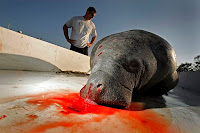





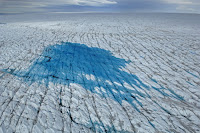








.jpg)













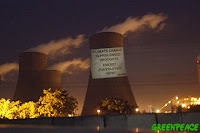





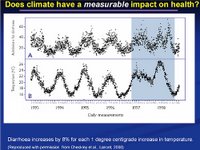
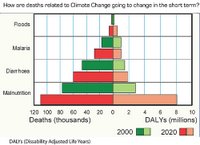
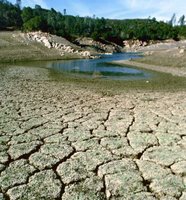








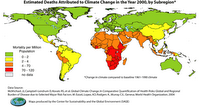


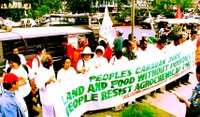











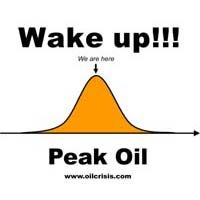
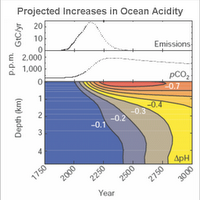
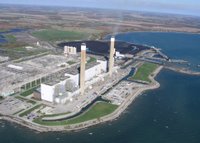
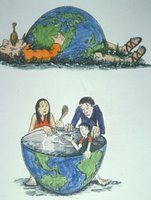



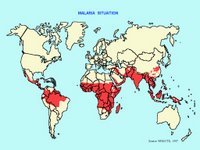






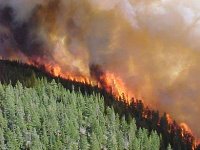



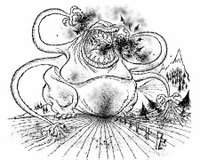
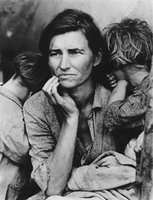
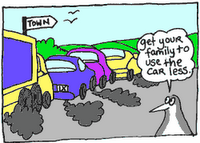
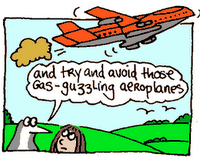
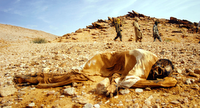


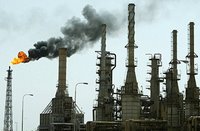
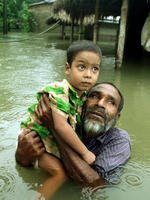



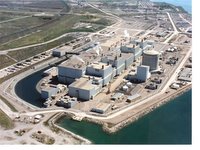



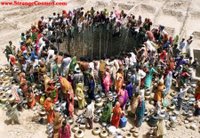


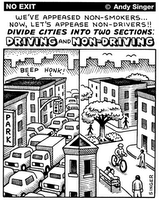





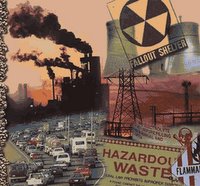
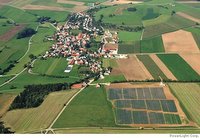
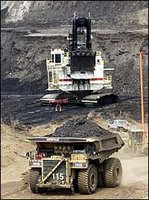
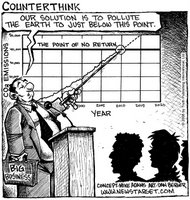

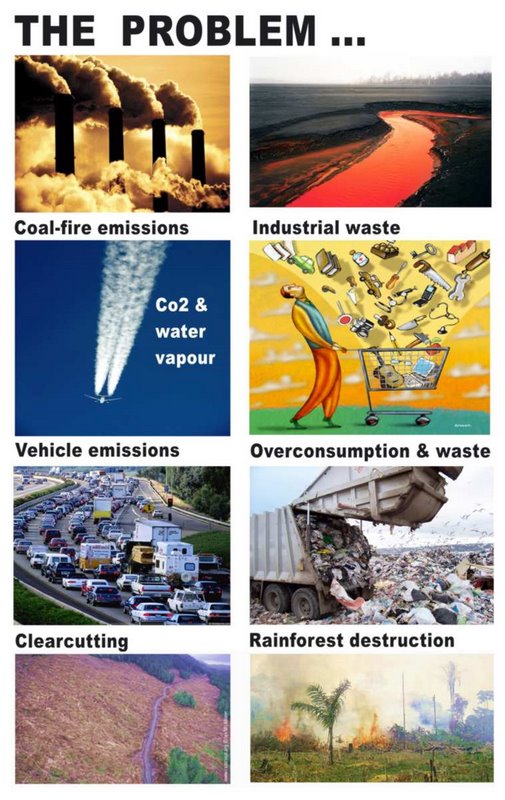
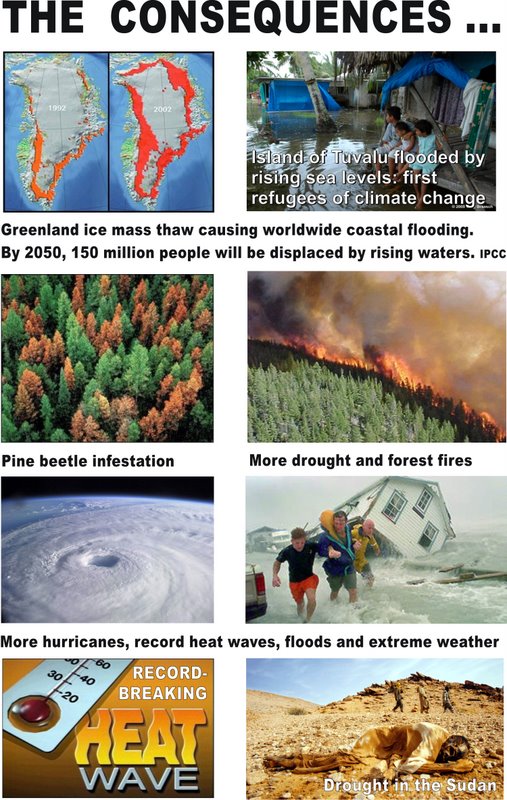
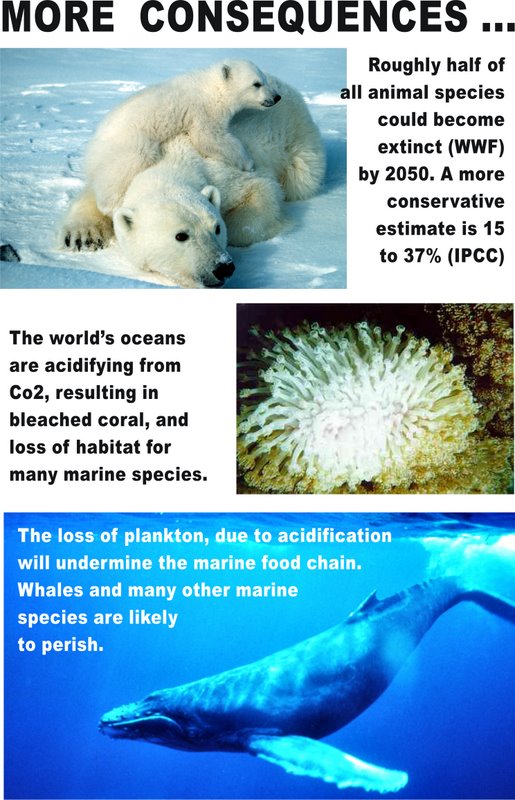
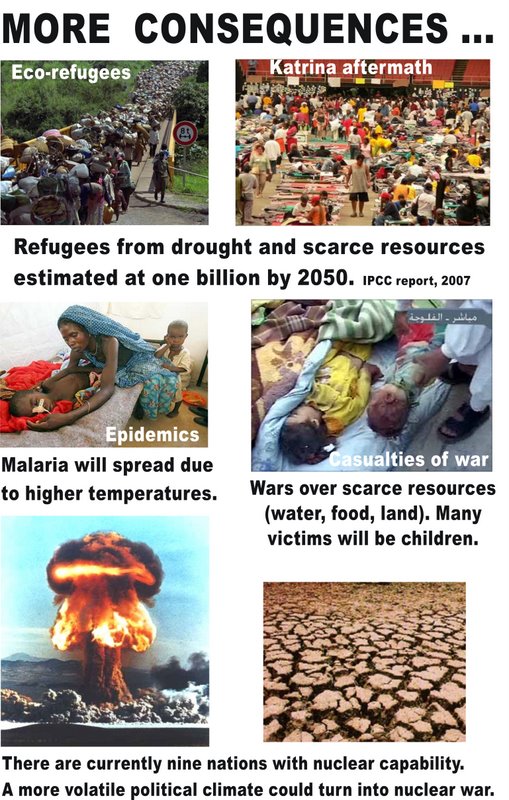

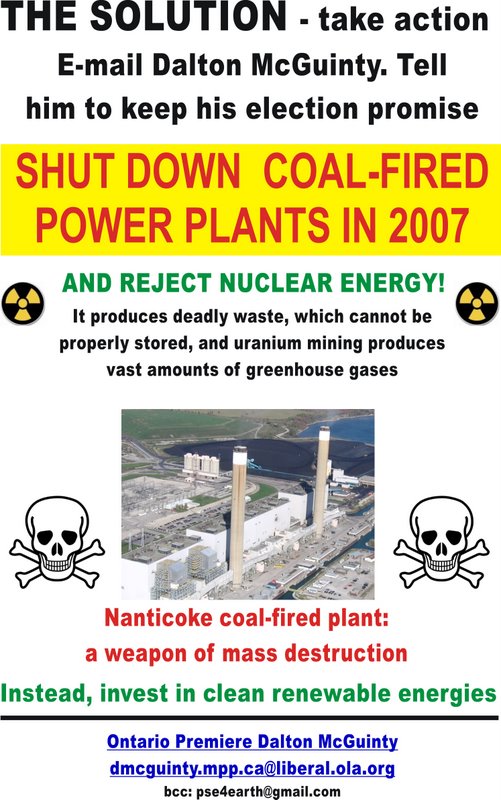
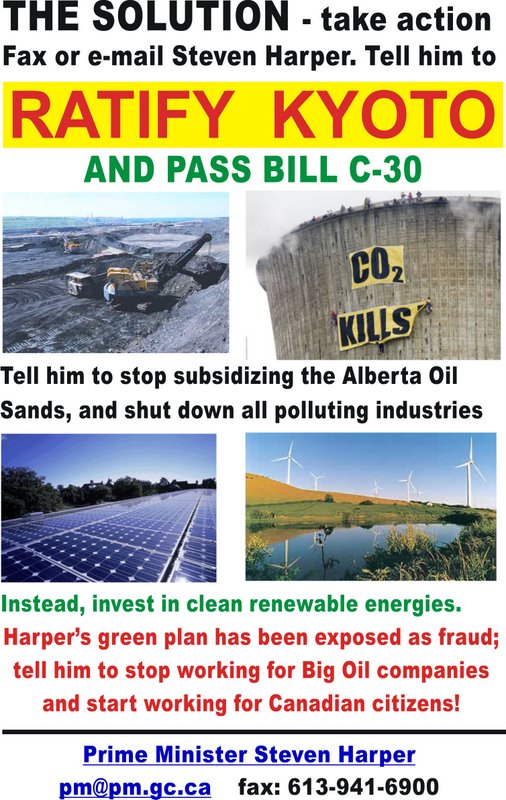
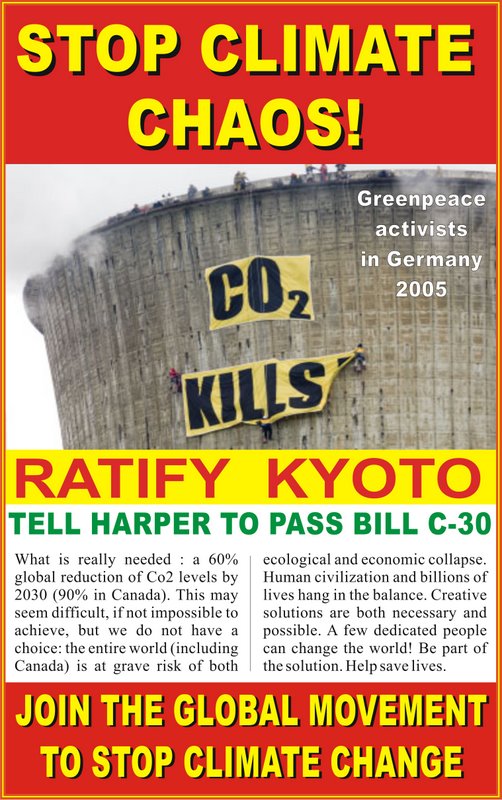
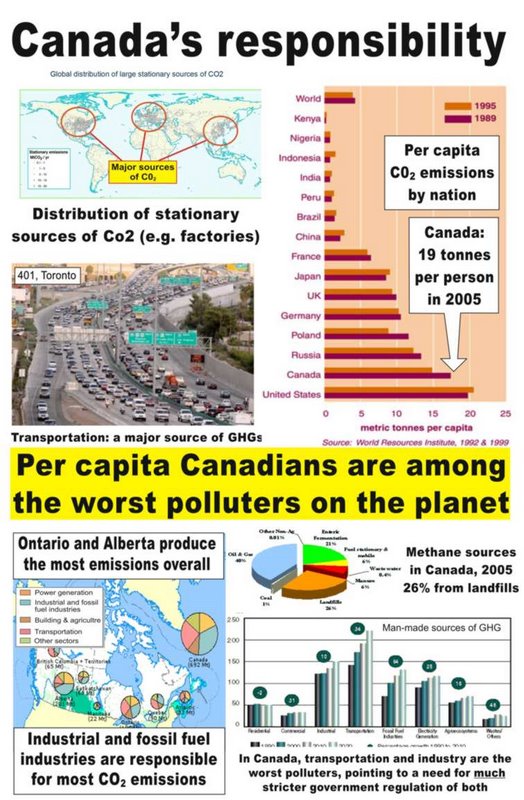
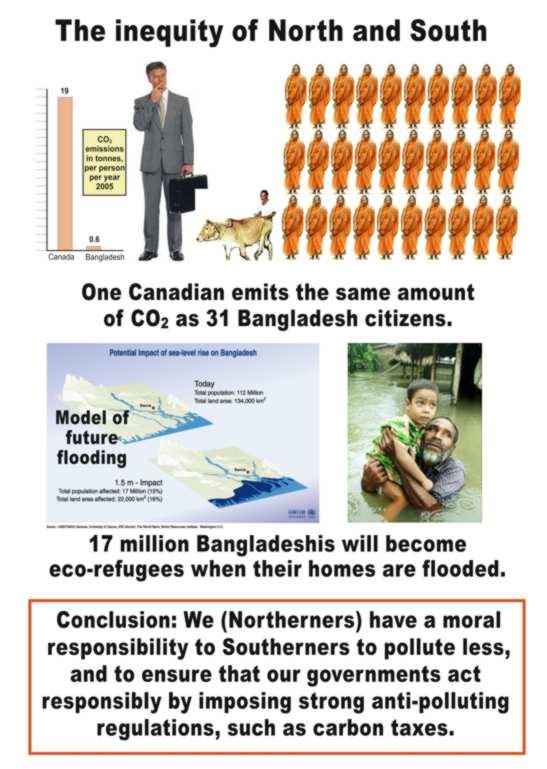
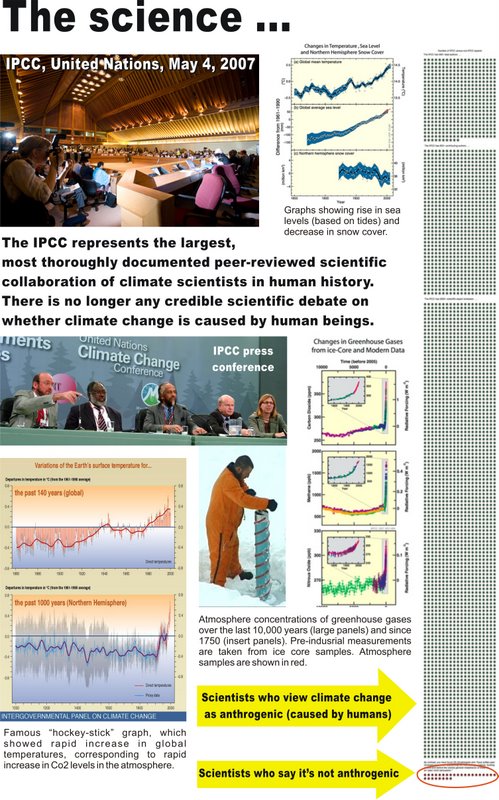
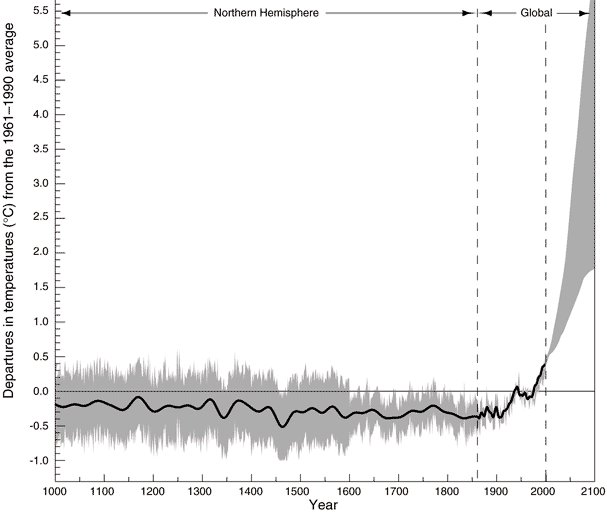


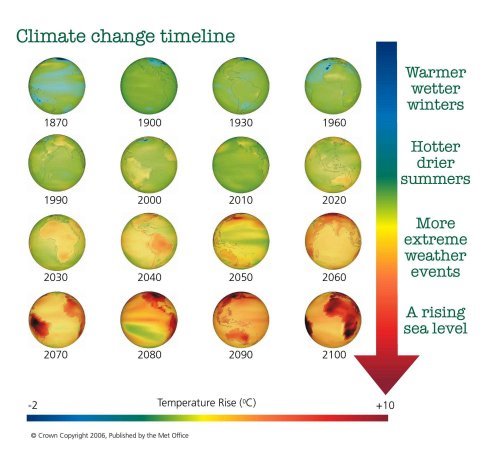


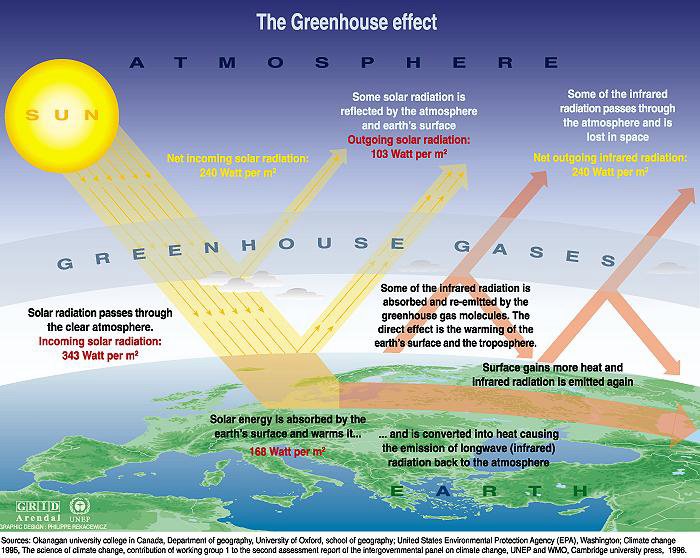
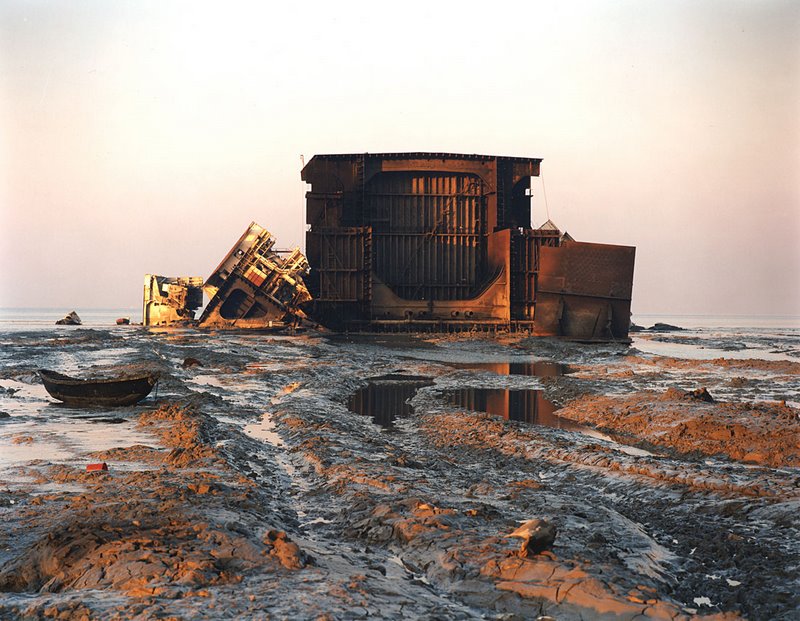
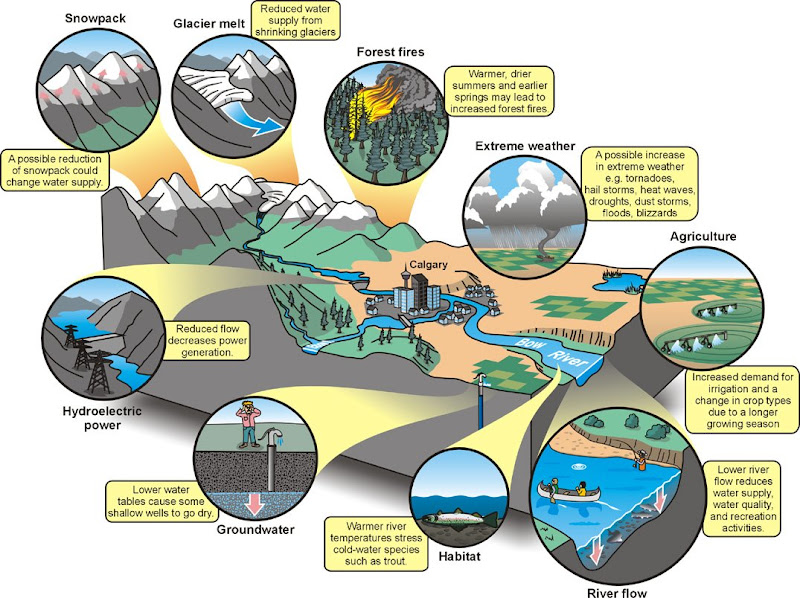
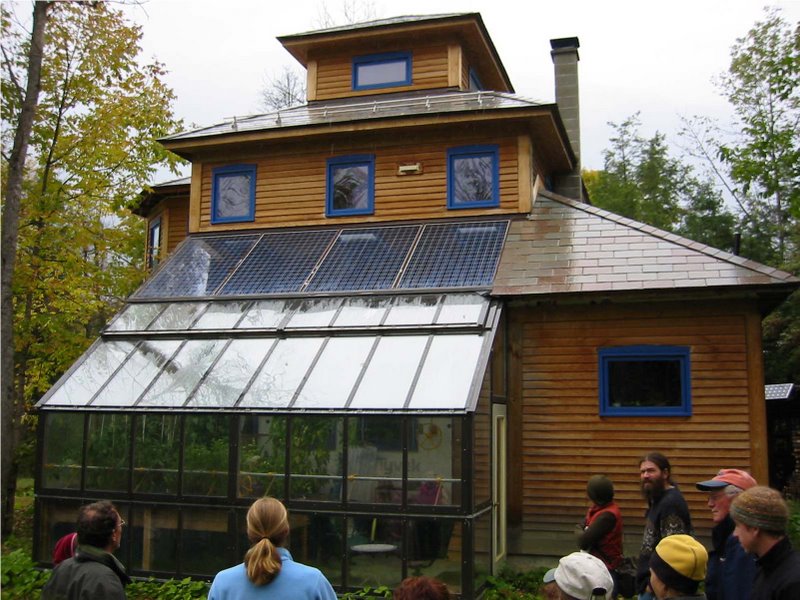
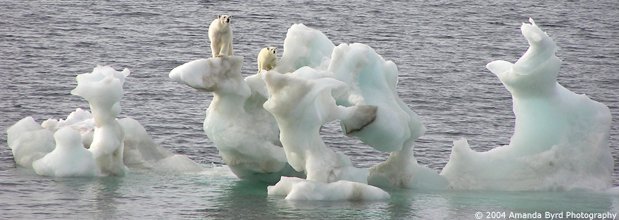


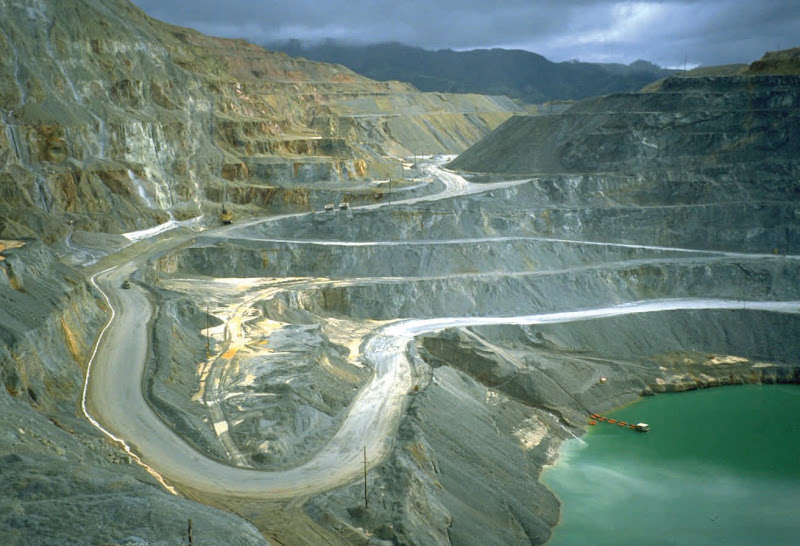
 by destroying boreal forsts and introducing lethal heavy metals into the ecosystem, creates toxic mine tailings and tritium in the water, nuclear weapons production from spent uranium (85% of Ontario's uranium is exported), creates greenhouse gas emissions in the mining and processing phases, massive water waste, enormous cost to the taxpayer (approx. $50 billion), and the fact that if we go down the nuclear path it excludes the possibility of a massive investment in renewables.</span>
</div>
<div class='clear'></div>
</div><div class='widget Image' data-version='1' id='Image371'>
<h2>The next great climate criminal?</h2>
<div class='widget-content'>
<img alt='The next great climate criminal?' height='200' id='Image371_img' src='https://blogger.googleusercontent.com/img/b/R29vZ2xl/AVvXsEgn6tZnF0Ul3paf0YtBe-O6cX9o9CNkqdqTomP7lwIjmr2VEkDZgG_-ypgCta8t9uxJiqjIMgGwgUplHgNq2P8c9ElWmdHtFRJ3IqRm_TN49fhXp1_s9n8mPE8bbhv0uL_UIGua6ZYs_eS5/s200/john-mccain2.jpg' width='194'/>
<br/>
<span class='caption'>John McCain wants to continue the war against Iraq. This alone ensures failure to address the environmental crisis. Unfortunately, even if Barrick or Clinton are elected the Party they lead is already corrupt and committed to supporting environmental destruction. There is a lot of evidence to support the notion by Derrick Jensen that nothing short of the dissolution of industrial civilization is likely to save what remains of the natural world.</span>
</div>
<div class='clear'></div>
</div><div class='widget Image' data-version='1' id='Image370'>
<h2>Canada's unusual weather - erratic weather worldwide</h2>
<div class='widget-content'>
<img alt='Canada's unusual weather - erratic weather worldwide' height='150' id='Image370_img' src='https://blogger.googleusercontent.com/img/b/R29vZ2xl/AVvXsEi7yYlzIQ-F_RhEGpw_KWmMDa8TejTXh5xMyvLd9ZeC0gIngV9t9lXSTWY2n8sfQcNnM0wkmnX4pMKnNP4Nkyuoo4hA5dnPeTg8DNtSB36EnOoInTmfRcn6Bd89C92k_WPHwhuc0DKWRygq/s200/blizzard.jpg' width='200'/>
<br/>
<span class='caption'>Erratic weather worldwide, as a result of the 0.8 degrees Celsius warming in the last 60 years - due to industrialization - is resulting in blizzards, floods, drought, torrential rain, hurricanes, and other erratic weather</span>
</div>
<div class='clear'></div>
</div><div class='widget HTML' data-version='1' id='HTML1'>
<h2 class='title'>Good links on climate change</h2>
<div class='widget-content'>
<a href=)