This was forwared from Angela Bischoff of Greenspiration: Greenspiration
Toronto City Climate Change Plan backed
Jul 17, 2007 / Jim Byers, City Hall bureau chief, TheStar.com
One of the most ambitious climate change plans in North America has been
adopted unanimously by Toronto City Council.
About an hour after a divisive debate that saw council members defer the
issue of imposing dramatic new taxes on city residents, councillors voted
37-0 last night in favour of a plan that aims to cut greenhouse gases in
the city by 6 per cent by 2012, 30 per cent by 2020 and by a full 80 per
cent by 2050.
A report circulated earlier this year talked about banning two-stroke
motors, like those used in lawnmowers and leaf blowers, by 2010. But
councillors yesterday merely asked staff to report at a later date on the
idea, as well as on how the city could ban such machines from its own
operations such as parks maintenance and street cleaning, by 2009.
"It's an amazing vote," said deputy mayor Joe Pantalone. "We're going
beyond the Kyoto Accord targets and we're going to look at everything from
energy retrofits for buildings in the city to installing geothermal energy
at Exhibition Place."
Pantalone said the city will also promote the use of hybrid vehicles as
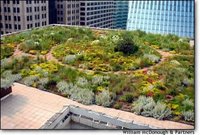
taxis, and create incentives for green roofs and solar power cooperatives
in neighbourhoods.
The report also talks about bringing in road tolls to increase transit
usage, but there was no vote yesterday on specific toll proposals. The
issue is likely to resurface in the coming months, but Mayor David Miller
repeatedly has said tolls would work only if the city uses the money to
build transit lines in areas not currently served by the TTC, and only if
tolls were brought in on all area highways and not simply on roads owned
by the city.
Pantalone said the vote shows how far the environmental movement has come
in Canada.
"Everyone from councillors on the right to members on the left said this
is a fight worth having," he told the Star.
Councillor Doug Holyday, a notorious penny-pincher who represents Ward 3,
Etobicoke Centre, said he voted for the city's climate change plan in part
because spending on such things as building retrofits would be recaptured
through energy savings, and because some of the money would come from
other levels of government. "It does seem ambitious to me for a group that
doesn't have much money," Holyday said of the plan.
Miller has said the city only needs to spend $1 million on the plan this
year and that $84 million could be taken from a Toronto Hydro reserve fund
to cover 2008 costs.
__________________________
Below is an excerpt from the follow-up letter to SACC's deputation to City Hall of June 18th, 2007:
Attn: Executive Committee, Toronto City Hall
Re: Climate Change, Clear Air and Sustainable Energy Action Plan for the City of Toronto, Heard at Parks and Environment Committee, June 18th
Dear Members of the Executive Committee and City Council,
. . . We would agree with many of the deputants at the June 18th hearing that the plan does not go far enough in many places (especially with regard to reducing vehicle emissions) — self-censorship in deference to the status quo is common among those given the task of drafting policies stimulated by the necessity for dramatic change. However, the plan does actually begin to address the problem through a proposal for substantial reforms, which the province and federal governments have thus far failed to do. This should be recognized and congratulated.
Emissions targets and traffic reduction
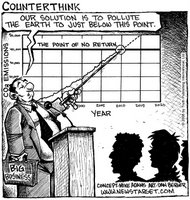
A note about the targets and about vehicle emissions is in order: A 90% (or greater) reduction in greenhouse gas emissions by 2017 in industrialized nations, rather than the proposed target of 80% reduction by 2050, is necessary to avoid the danger of a "tipping point" of a global increase of temperatures of two degrees Celsius above pre-industrial temperatures. Thus, it seems necessary to implement changes which help us achieve a 90% cut in 2030.
The fact that the governments of the U.S., Canada, and China are willfully disregarding this necessity does not remove the moral imperative and practical need for Toronto to take decisive action to protect its citizens. As Gandhi once remarked, “be the change you wish to see in the world.” The City of Toronto can lead by example.
We predict that as the negative consequences of climate change become increasingly apparent this Action Plan will be amended in future years, in response to public demand, to achieve greater reductions than 80% by 2050. However, the necessary changes are needed more now than later.
Specifically, plans to significantly reduce vehicles on Toronto's roads will have a greater impact if implemented now rather than later. We heard an excellent proposal by deputant David White on July 18th for a 25% education in traffic, with the means for achieving this to be determined by staff. Before the Action Plan goes to Council we strongly recommend that this proposal should be taken seriously and included in the City's Action Plan.
In addition to an overall reduction in vehicle traffic, we wish to advocate the following:
No-car zones
Our proposal borrows from the notion of "no car zones." There are several extremely busy streets where pedestrian traffic far exceeds vehicle traffic and where the latter impedes and is impeded by pedestrian traffic:
University of Toronto St. George campus (St. George, from Bloor to College); Chinatown along Dundas St. W. from Beverly to Spadina; Kensington Market; Bay Street and the business district downtown; Yonge Street from Bloor to Lakeshore; Queen Street West from Yonge to Gore Vale Ave; Queen Street East from Woodbine to Beech Ave; and intermittent sections of the Bloor-Dundas corridor (including the western section from Bathurst to Yonge and the eastern section around Coxwell and Pape).
Tourists already frequent these areas, and no-car zones would increase commerce and reduce smog in those areas and help the City achieve its emission reduction targets.
Of the areas mentioned, we suspect that the majority of students, residents and shopkeepers in these areas would welcome this change, especially at St. George Campus and Kensington Market, and especially in non-winter months. We respectfully request that Council ask that staff prepare a report on the feasibility of declaring these area "no car zones" (with the exception of public transit, taxis and delivery vehicles) in those areas. Increased public transit and bicycle infrastructures should accompany the changes, if implemented.
Ban short-haul flights
With the exception cruise ships and some military and industrial vehicles, airplanes are the worst vehicles in terms of greenhouse gas emissions. Short-haul flights are particularly bad because planes emit most of their carbon dioxide during landing and take off, and because the flights are short and overland (land which could easily be traveled by train or bus).
Short-haul flights for pedestrians should not be permitted within City borders. The runway on Toronto Island Airport is too short to allow planes to fly at full capacity; as a consequence, plane can only fly at maximum 30% capacity. We believe Toronto should ban short-haul flights at the Island Airport and at Pearson.
Although Porter Airlines uses relatively fuel-efficient planes, most flights are not full; this negates any benefit of fuel-efficiency. Fewer greenhouse gas emissions would result from the average number of passengers driving to Montreal or Ottawa, the destinations of most of the flights.
We respectfully suggest that Council consider ending short-haul flights within Toronto borders and ask staff to prepare a report to investigate the feasibility of doing so. This means prohibiting Jazz and Porter from operating OR imposing carbon taxes on them. Right now, their operations are expanding. This is the wrong direction to go in if the City is serious about emissions reductions.
Both measures —no-car zones and the end of short-haul flights— would have symbolic as well as practical value. They would be visible signs of the City's commitment to actually achieving its stated targets.
Emulate European examples
The main thing we wish to suggest, and which was not emphasized enough at the hearing or in the written report, was the wisdom of emulating the European model —especially as it exists in Germany, Norway, and other nations which have actively adopted environmental practices over the last thirty years. One deputy referred to photos of photovoltaic power presented by Denis Hayes (founder of Earth Day) at a recent renewable energy conference; one photo showed solar panels covering a parking lot, above the cars, serving two purposes: 1) shading the cars and reducing ground absorption of heat; and 2) generating electricity.
Another European example that could be emulated is their public campaign for reduction of energy consumption. CNN recently reported that both London and Paris turned off their lights for half an hour as part of a public education campaign designed to stimulate conservation by the populace. Road tolls are operative in London and Stockholm and should be implemented here, but if they are not then another measure to reduce inner-city traffic should be implemented.
The main point is that all the solutions exist and are currently in operation and have been for years in other cities. Toronto does not need to re-invent the wheel; it has only to consult with and follow the good example of European municipalities in order to meet its targets. This should be neither controversial nor partisan, but rather a matter of common sense.
Conclusion
There are many other ideas that the City's initiative brings to mind, from restrictions on new development that doesn't meet the requirements of "green" architecture to better enforcement of idling bylaws to the necessity for stronger regulations against pollution and a greater reduction in electricity consumption in Toronto.
The Parks and Recreation Committee heard many excellent deputations from more than fifty individuals and organizations. More public consultation would be of great benefit not only to review the plan more thoroughly and comment intelligently upon it, but also to serve as an opportunity to engage the public in the process of moving Toronto towards what theologian Thomas Berry in The Dream of the Earth calls “the ecological age.”
Interestingly, Berry identifies both universities and governments as important sectors for facilitating this change; the City’s Action Plan and our interest in it represents the beginning of a change that extends beyond the scope of one city or nation, towards a future that values biodiversity and the natural world and tries to live in harmony with it. Truly, this is the greatest challenge facing humanity at this historical juncture and we applaud the City for starting the process.
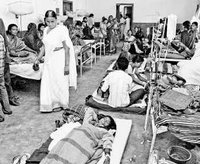
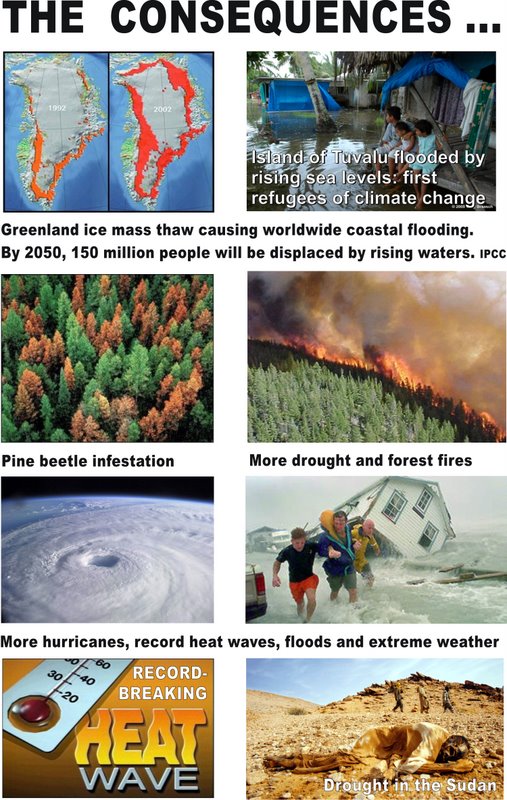
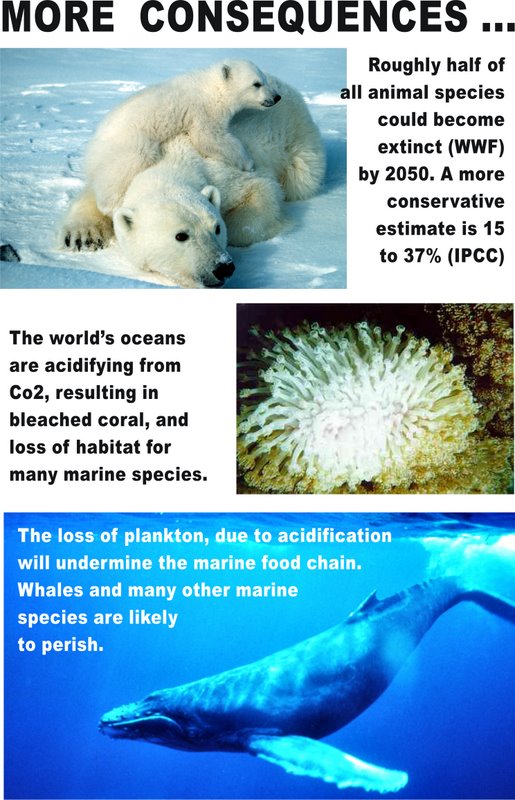
The alternative, as we should all know by now, is a bleak future of smog, heat-induced deaths, and economic and environmental devastation. The May edition of Toronto Life gave us a vision of that bleak future. Furthermore, we are increasingly made aware that the consequences of climate change are even worse than predicted by the IPCC: that it could in fact result in massive economic collapse (as suggested by the Stern report, for example) and the enormous tragedy of social disintegration caused.
As long ago as the 1992 Rio Summit, the world was informed by reliable sources that that inaction in reducing greenhouse gases could be catastrophic; we are gratified that among Canadian governments the City of Toronto is now moving in the right direction -- although there is still much ground to gain before we meet the standards of some European cities.
We are appreciative of the City's effort in bringing this plan forward. It gives us hope in world that otherwise appears hopeless, due to the intransigence of national and international governments. It is frequently stated that anthrogenic (man-made) climate change is the greatest challenge facing humanity in the 21st century.
The City's plan does appear to acknowledge the necessity for change; what is needed now, above all, is decisive progress in bringing that vision to bear. We are excited and grateful for the opportunity to be part of that process.
Sincerely, Paul York and Shayla Duval
on behalf of Students Against Climate Change
Showing posts with label Toronto City Hall. Show all posts
Showing posts with label Toronto City Hall. Show all posts
Saturday, July 21, 2007


Thursday, July 19, 2007
Public transit cuts bad for environment, students
Some people at Toronto City Hall are proposing a cut to public transit:
TTC cuts could be devestating
Below is a letter sent to each member of City Council. You are urged to write your own letter to your particular City Councillor about this. To find out who your councillor and his or her contact information go to List of Toronto City Councillors
Letter to City Hall
Re: TTC cuts proposal
I wish to point out a simple but important point: any cuts to TTC at this time run counter to the Clean and Climate Change initiative begun by City Hall's Parks & Rec Committee.
Speaking for university students, most of whom take the TTC, this is an absolutely awful direction for the City to go in. It hurts education and it hurts the environment.
Students will be hindered by these cuts and the environment will suffer because a reduction in public transit will result in greater emissions from car traffic.
The City of Toronto needs to cut car traffic by 25% or more within the next few years, not increase it!
The world is facing a global warming crisis, which will spell economic and social and environmental disaster for Canadians and the world unless we collectively reduce our emissions by 90% by 2020 (not 80% by 2050 as is commonly suggested).
How can we possibly achieve even the lesser target if car emissions go up and not down?
Add to that the problems that go with increased traffic flow in a city where gridlock is everywhere all the time, and you begin to see how foolish it is not to fund the TTC even more.
This proposal for public transit cuts is in direct violation of the public's interest at a time when funding for public transit should be increasing. There is an incredible amount of waste in the City that ought to be addressed before TTC is cut.
I am astounded by the misallocation of priorities that this ill-advised proposal represents. I am sending this letter to all members of City Council with the hope that the cuts will not take place.
_____________
Feedback from City Hall
The feedback from Toronto City Council has come in. This small exercise and the response it received shows that letter-wring can help change public policy for the better.
From Councillor Heaps
Thank you very much for your comment. In fact, Councillor Heaps is extremely concerned about the suggested TTC funding cut since it will impact residents in our ward tremendously as there are three subway stations in our ward and a lot of Ward 35 residents depend on the bus service. Our office is committed to maintaining the services of the TTC, as we are aware that the TTC is not only a means of transportation, but also part of the City's climate change plan.
Regards, Caroline Law for Councillor Heaps
From Councillor Giambrone, Chair of the TTC
Thank you for your email. The Toronto Transit Commission will be meeting today to discuss the cuts that the city has asked us to make. These are not decisions that I am taking lightly. I will be supporting every effort to make decisions that have the lowest negative impact on TTC riders. The options however, are limited. As always, I am happy to hear feedback from TTC riders. Please feel free to contact TTC Customer Service at 416-393-3030 or our office at 416-392-7012 to share additional comments about these or other matters.
Yours Truly, Adam Giambrone Toronto City Councillor Ward 18 Davenport Chair, Toronto Transit Commission (TTC)
From Councillor Perruzza:
Glad to hear from you. I agree that it is important to prevent any cuts on public transportation. I will pass on your message to Anthony before the emergency meeting for him to read.
Cheers, MdeD., Office of Anthony Perruzza, City Council for Ward 8
From Councillor Pantalone
Thank you very much for your informed and passionate message. I will, of course, take into consideration the concerns of the residents of my ward as well as all Torontonians. We all have a stake in making Toronto a liveable City.
Sincerely, Joe Pantalone, Deputy Mayor, City of Toronto
From Councillor Fletcher
Thank you for your email. I know that Councillor Fletcher agrees that public transit is essential to helping with the climate change crisis that we are facing. She is also very supportive of students and post-secondary education and knows that having an educated population is part of the solution. Councillor Fletcher is troubled about the implications of the vote to defer the cities new taxes that were to come into effect this January.
As you now know the city is now facing a massive revenue shortfall. She is following the issue of the TTC very closely and we will be sure to keep you update of the situation. She has a direct stake in the issue as chair of the Parks and Environment committee and is committed to making the environment a cleaner and safer place for everyone.
Sincerely, Jeffrey Andrus, Assistant to Councillor Paula Fletcher - Ward 30
From Councillor Filion
I am not a member of the TTC and therefore not entirely familiar with its funding intricacies. Currently, TTC operations are heavily subsidized by the city. So the more operations we have, the more it costs us. The only way for the TTC to reduce spending is to shut down routes, and the way to do so most efficiently is to cut routes with the lowest ridership (and which therefore require the largest city subsidy).
Best wishes, John Filion
From Councillor Carroll:
Thank you for contacting the office of Councillor Shelley Carroll. Your comments are always appreciated. The suggested cost containment measures for the TTC that include the closing of the Sheppard Subway line came as a surprise to Councillor Carroll and represent an important concern to her and her Ward 33 constituents. The Sheppard Subway line is a vital link for residents and businesses of Ward 33 to the downtown and the rest of the City and Councillor Carroll will continue to voice her opposition to this proposal.
Councillor Carroll attended the TTC meeting on Friday to raise her concerns and the decision was made by the commission to delay any service cut decisions until further study and consultation can occur. Councillor Carroll hopes that the TTC can find the necessary budget cuts to comply with the City Managers cost containment plan without closing essential service routes such as the Sheppard Subway.
Public transit is the lifeblood of a big city and essential to any climate change initiatives. However, it must be pointed out that the City is currently in a financial situation that is simply not sustainable. Although Councillor Carroll does not support the closing of the Sheppard Subway line, as the City Budget Chief she is fully aware of the dire financial situation that the City has found itself in after the deferral of the new taxes proposed to Council last week. The City is a very efficient service provider and although we continue to look and find more savings and efficiencies every year, without any new sources of revenue the Budget Committee will be forced to look at cuts in all City divisions, including the TTC. This is most definitely not the preferred solution, as Councillor Carroll feels the City could benefit from greater investment in services, not less, however the Budget Committee has been left with little choice but to cut costs and services to allow the City to continue to run.
Councillor Carroll will continue to voice her opposition to the closing of the Sheppard Subway line and will continue her on-going budget reviews and services planning reviews in attempts to curb spending and find more efficiencies.
Sincerely, Jesse Calvert, Special Assistant to Councillor Shelley Carroll
From Councillor Ainslie:
The City must undertake the task of making responsible decisions to deal with it's debt while servicing the city. Cuts which would further add to congestion on our streets and add to pollutants to the air are not responsible cuts. Thank you for making your views known to me.
Paul Ainslie, City Councillor, Ward 43, Scarborough East
From Councillor Moscoe:
We can avoid that by approving the Land Transfer Tax which will raise
$300M. Write councillors and urge them to approve the Land transfer tax
when it comes back in October.
NB - the Land Transfer Tax is a real estate tax on new home sales. It is opposed by the real estate industry.
TTC cuts could be devestating
Below is a letter sent to each member of City Council. You are urged to write your own letter to your particular City Councillor about this. To find out who your councillor and his or her contact information go to List of Toronto City Councillors
Letter to City Hall
Re: TTC cuts proposal
I wish to point out a simple but important point: any cuts to TTC at this time run counter to the Clean and Climate Change initiative begun by City Hall's Parks & Rec Committee.
Speaking for university students, most of whom take the TTC, this is an absolutely awful direction for the City to go in. It hurts education and it hurts the environment.
Students will be hindered by these cuts and the environment will suffer because a reduction in public transit will result in greater emissions from car traffic.
The City of Toronto needs to cut car traffic by 25% or more within the next few years, not increase it!
The world is facing a global warming crisis, which will spell economic and social and environmental disaster for Canadians and the world unless we collectively reduce our emissions by 90% by 2020 (not 80% by 2050 as is commonly suggested).
How can we possibly achieve even the lesser target if car emissions go up and not down?
Add to that the problems that go with increased traffic flow in a city where gridlock is everywhere all the time, and you begin to see how foolish it is not to fund the TTC even more.
This proposal for public transit cuts is in direct violation of the public's interest at a time when funding for public transit should be increasing. There is an incredible amount of waste in the City that ought to be addressed before TTC is cut.
I am astounded by the misallocation of priorities that this ill-advised proposal represents. I am sending this letter to all members of City Council with the hope that the cuts will not take place.
_____________
Feedback from City Hall
The feedback from Toronto City Council has come in. This small exercise and the response it received shows that letter-wring can help change public policy for the better.
From Councillor Heaps
Thank you very much for your comment. In fact, Councillor Heaps is extremely concerned about the suggested TTC funding cut since it will impact residents in our ward tremendously as there are three subway stations in our ward and a lot of Ward 35 residents depend on the bus service. Our office is committed to maintaining the services of the TTC, as we are aware that the TTC is not only a means of transportation, but also part of the City's climate change plan.
Regards, Caroline Law for Councillor Heaps
From Councillor Giambrone, Chair of the TTC
Thank you for your email. The Toronto Transit Commission will be meeting today to discuss the cuts that the city has asked us to make. These are not decisions that I am taking lightly. I will be supporting every effort to make decisions that have the lowest negative impact on TTC riders. The options however, are limited. As always, I am happy to hear feedback from TTC riders. Please feel free to contact TTC Customer Service at 416-393-3030 or our office at 416-392-7012 to share additional comments about these or other matters.
Yours Truly, Adam Giambrone Toronto City Councillor Ward 18 Davenport Chair, Toronto Transit Commission (TTC)
From Councillor Perruzza:
Glad to hear from you. I agree that it is important to prevent any cuts on public transportation. I will pass on your message to Anthony before the emergency meeting for him to read.
Cheers, MdeD., Office of Anthony Perruzza, City Council for Ward 8
From Councillor Pantalone
Thank you very much for your informed and passionate message. I will, of course, take into consideration the concerns of the residents of my ward as well as all Torontonians. We all have a stake in making Toronto a liveable City.
Sincerely, Joe Pantalone, Deputy Mayor, City of Toronto
From Councillor Fletcher
Thank you for your email. I know that Councillor Fletcher agrees that public transit is essential to helping with the climate change crisis that we are facing. She is also very supportive of students and post-secondary education and knows that having an educated population is part of the solution. Councillor Fletcher is troubled about the implications of the vote to defer the cities new taxes that were to come into effect this January.
As you now know the city is now facing a massive revenue shortfall. She is following the issue of the TTC very closely and we will be sure to keep you update of the situation. She has a direct stake in the issue as chair of the Parks and Environment committee and is committed to making the environment a cleaner and safer place for everyone.
Sincerely, Jeffrey Andrus, Assistant to Councillor Paula Fletcher - Ward 30
From Councillor Filion
I am not a member of the TTC and therefore not entirely familiar with its funding intricacies. Currently, TTC operations are heavily subsidized by the city. So the more operations we have, the more it costs us. The only way for the TTC to reduce spending is to shut down routes, and the way to do so most efficiently is to cut routes with the lowest ridership (and which therefore require the largest city subsidy).
Best wishes, John Filion
From Councillor Carroll:
Thank you for contacting the office of Councillor Shelley Carroll. Your comments are always appreciated. The suggested cost containment measures for the TTC that include the closing of the Sheppard Subway line came as a surprise to Councillor Carroll and represent an important concern to her and her Ward 33 constituents. The Sheppard Subway line is a vital link for residents and businesses of Ward 33 to the downtown and the rest of the City and Councillor Carroll will continue to voice her opposition to this proposal.
Councillor Carroll attended the TTC meeting on Friday to raise her concerns and the decision was made by the commission to delay any service cut decisions until further study and consultation can occur. Councillor Carroll hopes that the TTC can find the necessary budget cuts to comply with the City Managers cost containment plan without closing essential service routes such as the Sheppard Subway.
Public transit is the lifeblood of a big city and essential to any climate change initiatives. However, it must be pointed out that the City is currently in a financial situation that is simply not sustainable. Although Councillor Carroll does not support the closing of the Sheppard Subway line, as the City Budget Chief she is fully aware of the dire financial situation that the City has found itself in after the deferral of the new taxes proposed to Council last week. The City is a very efficient service provider and although we continue to look and find more savings and efficiencies every year, without any new sources of revenue the Budget Committee will be forced to look at cuts in all City divisions, including the TTC. This is most definitely not the preferred solution, as Councillor Carroll feels the City could benefit from greater investment in services, not less, however the Budget Committee has been left with little choice but to cut costs and services to allow the City to continue to run.
Councillor Carroll will continue to voice her opposition to the closing of the Sheppard Subway line and will continue her on-going budget reviews and services planning reviews in attempts to curb spending and find more efficiencies.
Sincerely, Jesse Calvert, Special Assistant to Councillor Shelley Carroll
From Councillor Ainslie:
The City must undertake the task of making responsible decisions to deal with it's debt while servicing the city. Cuts which would further add to congestion on our streets and add to pollutants to the air are not responsible cuts. Thank you for making your views known to me.
Paul Ainslie, City Councillor, Ward 43, Scarborough East
From Councillor Moscoe:
We can avoid that by approving the Land Transfer Tax which will raise
$300M. Write councillors and urge them to approve the Land transfer tax
when it comes back in October.
NB - the Land Transfer Tax is a real estate tax on new home sales. It is opposed by the real estate industry.
Friday, July 13, 2007
Climate change action opportunity
EVENT NAME: PROTEST ...with art
WHERE: In front of City Hall
WHEN: Sunday July 15, 2007 @ 1 p.m.
DESCRIPTION:
Concerned individuals will gather in front of City Hall to send a message to politicians and citizens alike about the need to take major action on climate change now. Join us to help create chalk-art murals on the sidewalk that inform and motivate on the issue.
CONTACT: shayladuval@yahoo.ca, 416-697-4170
WHERE: In front of City Hall
WHEN: Sunday July 15, 2007 @ 1 p.m.
DESCRIPTION:
Concerned individuals will gather in front of City Hall to send a message to politicians and citizens alike about the need to take major action on climate change now. Join us to help create chalk-art murals on the sidewalk that inform and motivate on the issue.
CONTACT: shayladuval@yahoo.ca, 416-697-4170
Subscribe to:
Posts (Atom)
















.jpg)









































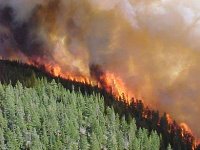
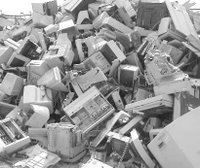














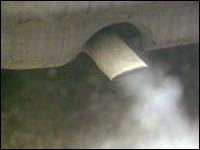

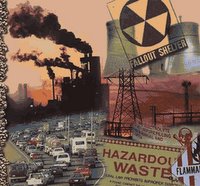
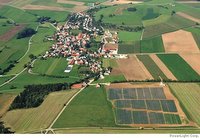
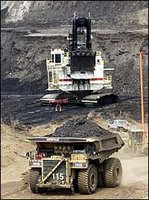

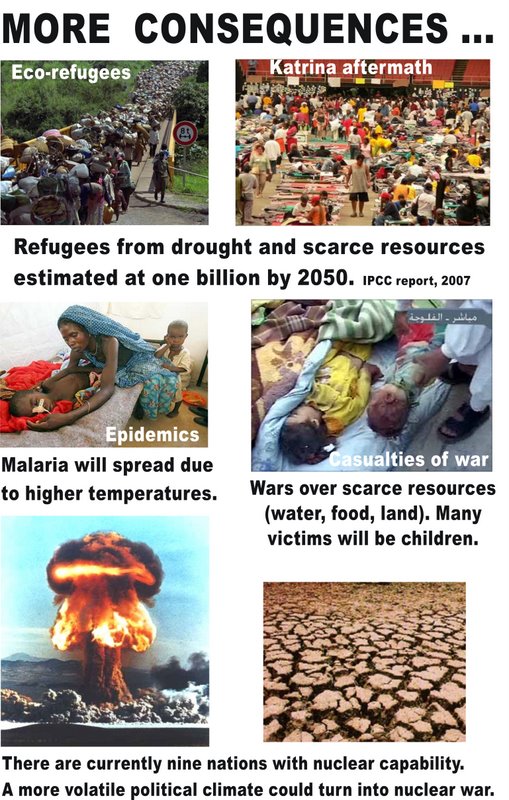

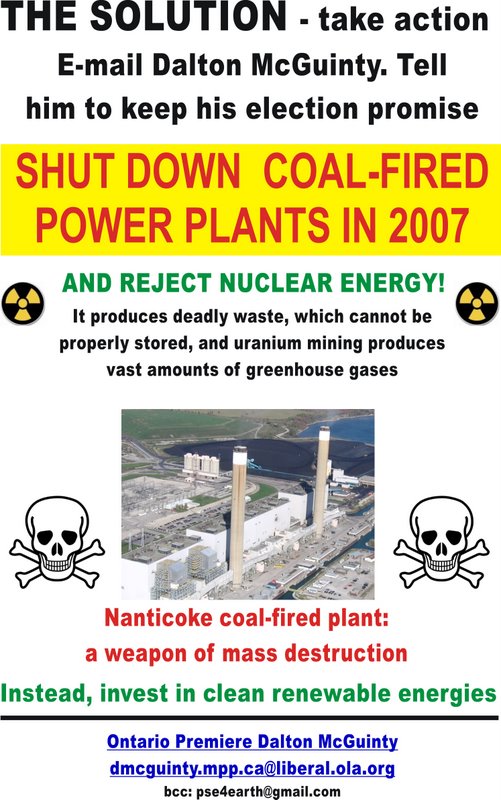


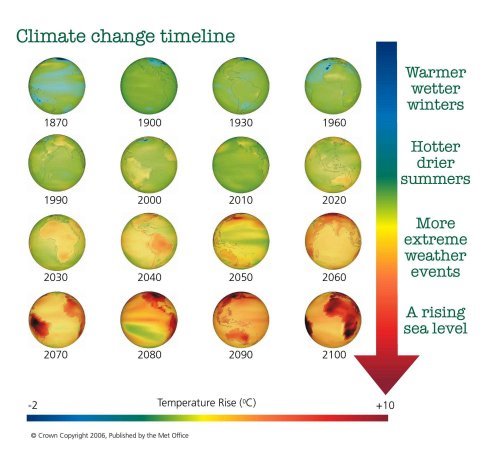


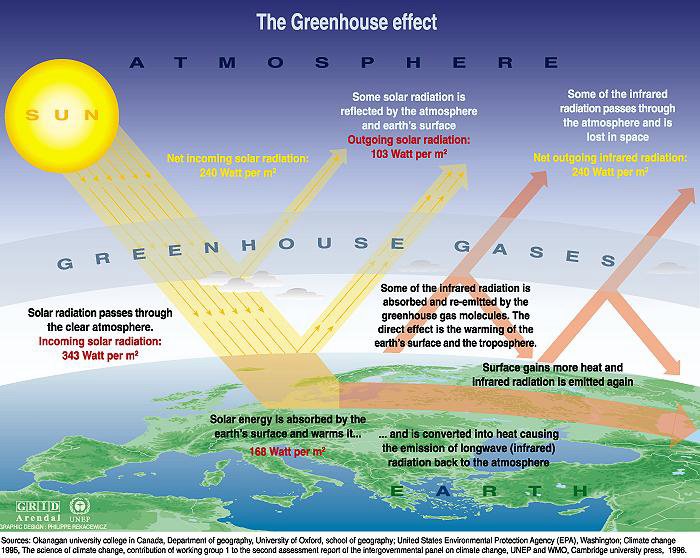
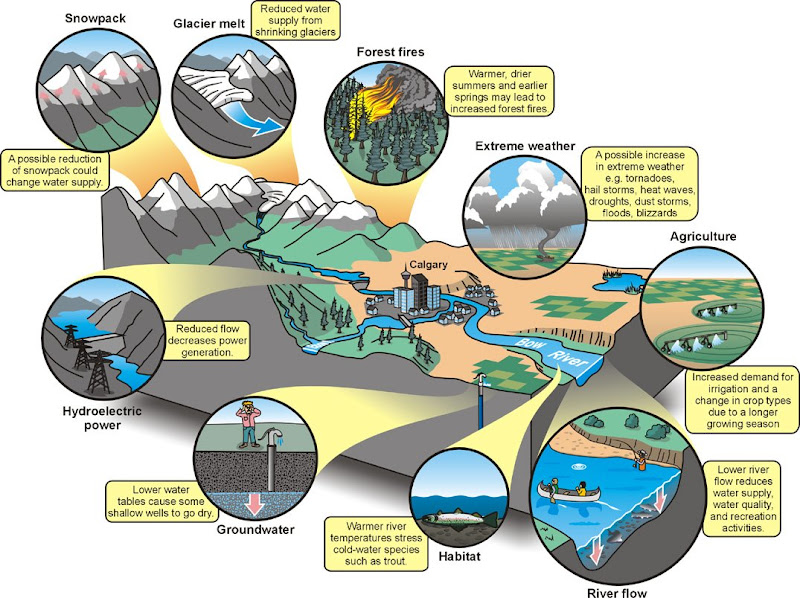
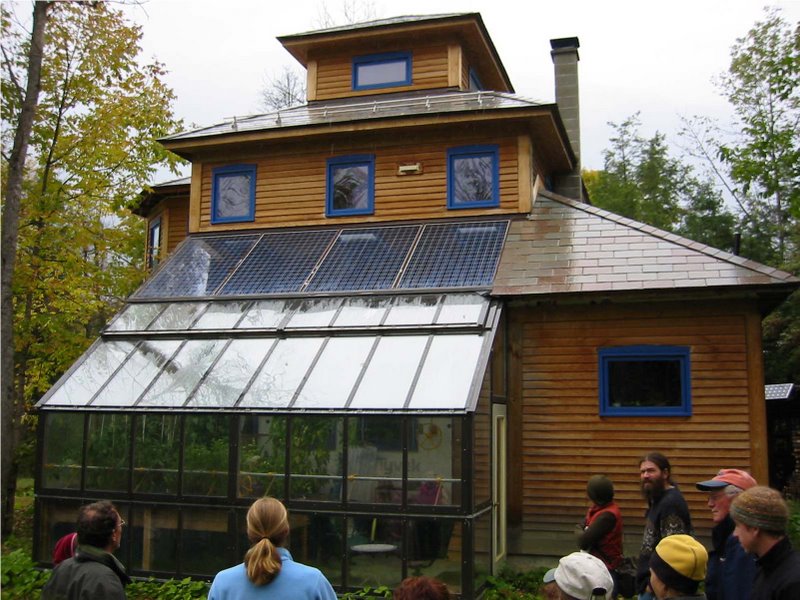
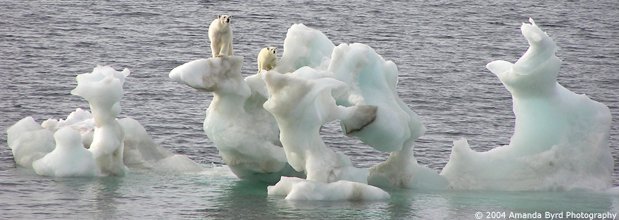


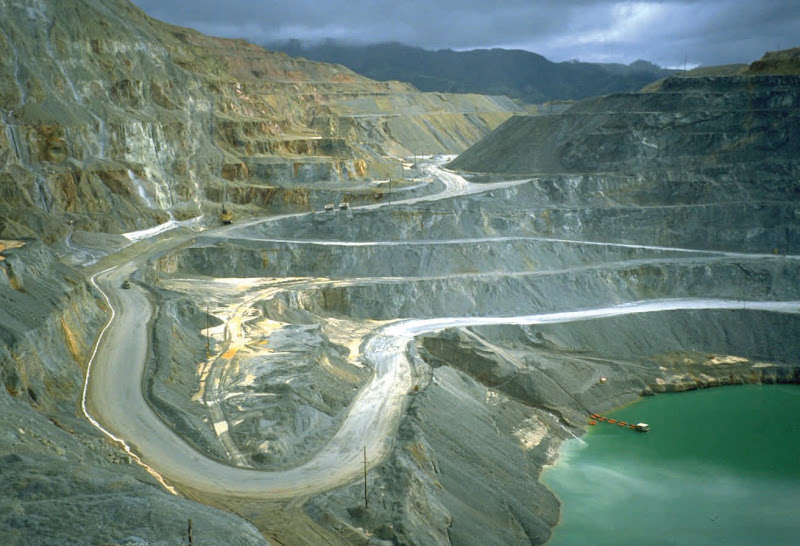
 by destroying boreal forsts and introducing lethal heavy metals into the ecosystem, creates toxic mine tailings and tritium in the water, nuclear weapons production from spent uranium (85% of Ontario's uranium is exported), creates greenhouse gas emissions in the mining and processing phases, massive water waste, enormous cost to the taxpayer (approx. $50 billion), and the fact that if we go down the nuclear path it excludes the possibility of a massive investment in renewables.</span>
</div>
<div class='clear'></div>
</div><div class='widget Image' data-version='1' id='Image371'>
<h2>The next great climate criminal?</h2>
<div class='widget-content'>
<img alt='The next great climate criminal?' height='200' id='Image371_img' src='https://blogger.googleusercontent.com/img/b/R29vZ2xl/AVvXsEgn6tZnF0Ul3paf0YtBe-O6cX9o9CNkqdqTomP7lwIjmr2VEkDZgG_-ypgCta8t9uxJiqjIMgGwgUplHgNq2P8c9ElWmdHtFRJ3IqRm_TN49fhXp1_s9n8mPE8bbhv0uL_UIGua6ZYs_eS5/s200/john-mccain2.jpg' width='194'/>
<br/>
<span class='caption'>John McCain wants to continue the war against Iraq. This alone ensures failure to address the environmental crisis. Unfortunately, even if Barrick or Clinton are elected the Party they lead is already corrupt and committed to supporting environmental destruction. There is a lot of evidence to support the notion by Derrick Jensen that nothing short of the dissolution of industrial civilization is likely to save what remains of the natural world.</span>
</div>
<div class='clear'></div>
</div><div class='widget Image' data-version='1' id='Image370'>
<h2>Canada's unusual weather - erratic weather worldwide</h2>
<div class='widget-content'>
<img alt='Canada's unusual weather - erratic weather worldwide' height='150' id='Image370_img' src='https://blogger.googleusercontent.com/img/b/R29vZ2xl/AVvXsEi7yYlzIQ-F_RhEGpw_KWmMDa8TejTXh5xMyvLd9ZeC0gIngV9t9lXSTWY2n8sfQcNnM0wkmnX4pMKnNP4Nkyuoo4hA5dnPeTg8DNtSB36EnOoInTmfRcn6Bd89C92k_WPHwhuc0DKWRygq/s200/blizzard.jpg' width='200'/>
<br/>
<span class='caption'>Erratic weather worldwide, as a result of the 0.8 degrees Celsius warming in the last 60 years - due to industrialization - is resulting in blizzards, floods, drought, torrential rain, hurricanes, and other erratic weather</span>
</div>
<div class='clear'></div>
</div><div class='widget HTML' data-version='1' id='HTML1'>
<h2 class='title'>Good links on climate change</h2>
<div class='widget-content'>
<a href=)